1) Here’s a document presenting the “need” for global, digital/biometric ID, brought to us by Gates, Soros, Rockefeller, the World Bank, ID2020, and McKinsey.
2) Mastercard’s analysis of the “need” for a Cashless Society, brought to us by McKinsey.
3) Mastercard’s Executive Vice President, Liz Oakes, is a former Expert Associate Partner at McKinsey.
4) Former Managing Director of McKinsey and current Canadian Ambassador to China, Dominic Barton, and former UN High Commissioner for Human Rights, Louise Arbour, were both appointed to the Board of Directors for Mastercard.
5) George Soros is partnered with Mastercard.
6) Soros’ Open Society Foundation, the Canadian Government, the UN HCR, Frank Giustra’s Radcliffe Foundation, and the University of Ottawa partnered to form the Global Refugee Sponsorship Initiative.
7) Which is why Trudeau gave Mastercard $50M in December of 2019. Andrew Scheer brought it up to appease Conservative voters, but never mentioned the reason why Trudeau gave the money. He knew it was part of the Sustainable Development Agenda and never pressed the issue.
8) Mastercard/NuData and Microsoft partner up to find solutions for digital ID and biometrics.
9) Microsoft is one of the partners that make up ID2020, including the Rockefeller Foundation and GAVI Vaccine Alliance. ID2020 is partnered with the UN to achieve the Sustainable Development Agenda.
10) Do you see what’s happening? When it comes to vaccines, digital currency, biometrics, and digital ID, the same companies, organizations and individuals keep coming up over and over and over. Are we going to let these criminals get away with all of this??
Here's a document presenting the "need" for global, digital/biometric ID, brought to us by Gates, Soros, Rockefeller, the World Bank, ID2020, and McKinsey. pic.twitter.com/7ZFqUapFjX
Check out this thread on the Global Refugee Sponsorship Initiative:
🇺🇳THE TRUTH ABOUT MASS MIGRATION, 🇨🇦, 🇪🇺, & 🇺🇳.
1) There are a few important things that need to be understood regarding the UN's Migration Compact and the recent population shifts in Europe, North America, and other places around the world. pic.twitter.com/m8HiwdeZiX
Here is look at the origins of the “Green Movement”:
🇺🇳🌿THE BIG GREEN SCAM🌱🇺🇳
1) The "Green Movement" is NOT what we think it is. This thread will explore its true origins and the people who have brought it to life. pic.twitter.com/QKVw70W9HT
Theresa Tam has been working with the World Health Organization (WHO) since at least 2003, during the SARS outbreak (2). Tam was an advisor for WHO at around the time the virus that causes Middle East Respiratory Syndrome (MERS) traveled through the Catholic Church’s Erasmus University in Rotterdam, Netherlands to Canada’s only biosafety level 4 (BSL4) lab. The sample had come from an infected person in Saudi Arabia (3).
Shortly after the virus arrived in Canada, at the National Microbiology Laboratory in Winnipeg, WHO announced that Tam was on their MERS emergency advisory committee, consisting of 15 people, including Dr. Ziad Memish, the Minister of Health in Saudi Arabia and Dr. Martin Cetron, head of global migration and quarantine at the U.S. Centers for Disease Control (4). It appears that Theresa Tam is one of the people who represents those who make the decisions as far as how viruses and other dangerous pathogens are moved around the world.
Does this make Theresa Tam a puppet or master? How is it possible to not follow WHO recommendations, when you’re the one making them? She is on powerful committees!
It is also interesting to note that Erasmus is home to Ron Fouchier, the man who went out of his way to create a deadly H5N1 virus by genetically altering it to become much more contagious and transmissible through the air. Is it possible that he gave MERS a similar treatment as it passed though his lab on its way to Canada (5)(42)?
A virus with the potential to kill up to half the world’s population has been made in a lab. Now academics and bioterrorism experts are arguing over whether to publish the recipe, and whether the research should have been done in the first place.
Vaccines
After Denmark passed a law that allows for the government to force people to take a vaccine for coronavirus (6), people have been worried if this kind of thing can be implemented elsewhere (7). But do “anti-vaxxers” actually reject science, or is the problem that they just don’t trust governments (43)?
Vaccine skeptics do not reject science per se, but rather challenge the trustworthiness of scientific governance — how research is prioritized and funded, how trials are designed and evidence collected and analyzed, which studies get published, and how scientific evidence is used to inform policy decisions. The critics charge scientific institutions with bias — say, having financial interests that work against the public interest.
Dr. Tam has convened public health leaders and parents to collaborate on the effort to shut down any hint of anti-vaccine thought. Governments, including Canada and the U.S. are also working with social media companies to remove vaccine misinformation and promote scientific literacy. Tam wants to make sure that people are not allowed to publicly say anything against vaccinations, and establish them as just a normal part of life, no questions asked (8):
Public education must establish the status of vaccination as a social norm, ensuring that public discourse is not dominated by vaccine opponents.
Chief Public Health Officer of Canada Dr. Theresa Tam
To make matters worse, it seems unlikely that a vaccine is even possible for SARS-CoV-2, the virus responsible for COVID-19. That is, unless they create something and just call it the vaccine and inject us with God knows what. A recent study, which has not been peer-reviewed, concluded (46):
The observation in this study raised the alarm that SARS-CoV-2 mutation with varied epitope profile could arise at any time, which means current vaccine development against SARS-CoV-2 is at great risk of becoming futile.
In fact, there has never been an effective vaccine developed for a coronavirus (47)(49). Then there’s also the issue of “immune or vaccine enhancement,” a phenomenon that occurs when a vaccine is worse than the disease it is meant to prevent (51)(44)(45).
Most experts assume that ultimately, the world will need several vaccines and perhaps a mix of different vaccine technologies. Canadian researchers in several provinces are among the scientists around the world putting in extra hours to develop a new coronavirus vaccine.
What about other infectious diseases? We can assume that something like the World Economic Forum’s COVID Action Platform might ensure that everyone on the planet could be forcibly vaccinated for anything (14)! If that were the case, we can be sure that Dr. Theresa Tam would do whatever she can to shut down any voices that dare say anything against being stuck with whatever they want to inject into our bodies. After all, pandemics and misinformation don’t stand a chance against Theresa Tam, who leads the charge against vaccination skeptics (15)!
It is clear from her background, summarized below, that Theresa Tam works with the world’s most powerful globalist entities that have tremendous say in how the world deals with disease and immunization. This power enables them to have a grip on the entire planet, and to decide which measures are put into place to control the behaviour of people in any event they choose to cause a panic over. With COVID-19, we have a perfect example of how the decisions of this small group of people can lead to global hysteria and unprecedented societal changes.
Dr. Theresa Tam’s Background
Tam is part of the Independent Oversight and Advisory Committee for the WHO Health Emergencies Programme (16). Other members of that committee are representatives from the UK, South Africa, Japan, Lebanon, USAID (United States Agency for International Development), and UNICEF:
Tam became Canada’s Chief Public Health Officer on an interim basis when Dr. Gregory Taylor retired in December 2016, and was formally appointed by Canadian Minister of Health Jane Philpott in 2017 (17)(18)(19)(20). She is part of the team that makes up Public Health Agency of Canada (PHAC), which includes Minister of Health Patty Hajdu and President Tina Namiesniowski (21)(22)(23).
Tam has served on threeWHO emergency committees: Ebola, Middle East respiratory syndrome (MERS), and Poliovirus (24). Emergency committees are convened under the International Health Regulations (IHR) to decide whether disease outbreaks constitute “public health emergencies of international concern” and what measures should be taken to deal with them. The IHR plays a coordinating role in ensuring “global health security” through agreements between all 196 member countries (25). This makes them extremely powerful (26). And considering the shady dealings surrounding WHO, this can only mean bad news (27).
Canada has had members on all six of the emergency committees established since the IHR came into force in 2007 (28)(29). The WHO emergency committees on which she has served has to make the tough decisions about whether a disease outbreak is an emergency, following a “systematic and rigorous” process. In the case of MERS, the committee decided it wasn’t an emergency, but with Ebola, the committee decided it was. These are the people who choose to announce whether something is an epidemic or pandemic, as we’ve seen them do with COVID-19 (30).
Tam played a leadership role in the development of the first published Canadian pandemic influenza document and helped to write the Human Pathogens and Toxins Act (2009), a comprehensive regulatory regime that addresses the risks associated with all uses of pathogens and toxins in Canada (31)(32)(33). Tony Clement introduced the bill (34). Dr. Tam also works with Jean-Francois Duperre, Director of Emergency Planning (35).
In 2010, Tam was featured in a movie called Outbreak: Anatomy of a Plague (36)(37). She seemed to know exactly what to do during an outbreak of disease back in 2010, which is strange considering she didn’t know to contain SARS-CoV-2 in 2020!
Tam was part of the US Mission Geneva, an event designed with little else in mind other than the idea that the world needs more vaccines, more often:
Dr. Tam is also on the Advisory Board of IPPH (39). The mandate of the Institute of Population and Public Health (IPPH) is to support research into the complex biological, social, cultural and environmental interactions that determine the health of individuals, communities and global populations; and to apply knowledge to improve the health of individuals and populations through strategic partnerships with population and public health stakeholders and innovative research funding programs. IPPH’s mission aims to improve the health of populations and promote health equity in Canada and globally through research and its application to policies, programs, and practice in public health and other sectors (40).
Conclusion
It is clear that Dr. Theresa Tam seems qualified for the leadership role that she now possesses as Canada’s top doctor. Or is she? It has been difficult to find very much about her background at all (48). And who is really pulling the strings? The questions remain: Is she as corrupt as the organizations she represents? Can we really trust anyone who answers to the World Health Organization and the United Nations (41)?
1) Let’s take a look at a few connections at the WHO, starting with Tedros Adhanom.
2) Tedros has been the Head of the WHO since 2017 when he took over from Margaret Chan. He’s got the same ‘UN Agenda 2030 Sustainable Development Goals’ pin as the Canadian Green Party’s Elizabeth May. This tells us where his loyalty lies.
3) He was the Foreign Affairs Minister (2012-2016) and Health Minister (2005-2012) for the Tigrayan People’s Liberation Front, which is allied with the Eritrean People’s Liberation Front, and they lead the movement called the Ethiopian People’s Revolutionary Democratic Front.
4) The Global Fund was started in 2002 with partial seed money coming from Bill Gates and works closely with the WHO. In 2009, Tedros replaced Rajat Gupta of McKinsey & Co as Chair. Gupta is a corporate criminal. I’d be surprised if that were his only case of malfeasance.
5) A Vox article from December of 2019 revealed that the WHO used McKinsey as a consulting firm and their fees were partially covered by the Bill and Melinda Gates Foundation. It appears as though there are some shady goings-on with the funding and its disclosure.
6) McKinsey lost their Managing Director in 2018 when Bilderberg/ Trilateral Commission member, Dominic Barton, was appointed by Justin Trudeau to be Canada’s new ambassador to China. Interestingly, Barton also concurrently stepped down as a Board member for Teck Resources.
7) It’s noteworthy that Tedros and Trudeau are pretty chummy. Their names pop up together in a few places. These wannabe Socialist dictators run in some pretty tight circles.
8) Since 2017, the organization has been experiencing a sharp increase in the number of fraud, misconduct, harassment, and racism claims. Hundreds of billions of dollars are apparently going missing. Shocking.
9) What else can we expect from our Socialist ruling elite other than fraud, mismanagement, corruption, bribery, ethics violations, etc? Those are inherent. The WHO is about as trustworthy as the Chinese Communist Party.
10) I think one would be hard pressed to find anyone who believes what the Chinese Communist Party tells the rest of the world. Now we can add the World Health Organization to that list. Thank you to @heavenswatch20 for the inspiration for this thread.
11) Here’s a fantastic thread by @QBlueSkyQ who highlights some of the other friends of Tedros. The same people, over and over and over!
Anthropology is a very young social science, and calling it a science at all is rather generous. True, derivations of the word from Greek roots may be traced to German and Romance language experimentation of the 1600s. Think Merovingians. Yet constructing exotic new words from Latin and Greek or appropriating the cross of Lorraine were the warlike fashion of the period and certainly not of this one. It was the Renaissance after all.
Merovingian Script
Adorning one’s thoughts with richly evocative, or garlanded, made-up Greek words, like Ephesian stone marquetry, is reminiscent of current efforts, however weak, of the latest diversity inclusion and equity (D.I.E.) ideology. The former stands the test of longevity, with respect to the ancient cultures that formed our times, while the latter falls far too short, in its own brief, bastardo attempt to gild an overtly self-destructive tendency.
Canadian English Is A Bastard Language.
Namely, the aims of the current rash of new words seems far from rebirth; there is the unpalatable stuff of cultural nihilism, oppression and Marxist critical theory, yet again in the reiteration of ever failed attempts at rewriting the English language an already well-tailored, evolved, trained, and formed bastard. This iconoclastic and brute reordering of the language does not seek to suit the needs of the many, but the petty complaints of an increasingly antidemocratic and thoughtless few. A whole new set of idle thinkers who might call themselves scholars, yet in reality rudimentary grifters, are all busy making up new words, such as “settler colonialism” to slake a bored and cruel nature.
Yet these new terms are deliberately harder to fathom than ancient languages, without any roots in particular to Canadian or even English cultural identity or speech. They crave irrelevance. Worse, legally-enforced pronouns which have no grammatical basis in reality, or history of the language are an insult to human thought, physiology, anatomy, and genetics, let alone the maturity and free spirit of the language. An entire social sciences academy is seen readily throwing itself over the cliff, like ideological lemmings, for fast foreign cash they have not earned and without just cause. This is anti-Canadian thought, a thievery of useful communications; this indicates a lack of robust thought, or respect, for the roots of the study of social sciences itself. That’s an insult to the educated mind. Spare us the bullshit.
And it’s an insult to Canadians.
The deliberate misappropriation of the grammar and diction of a culture and language, that is already finely and well-categorized, already finely and well-defined, is akin to destroying the art of communication. It’s akin to attempting to destroy our Byzantine proxemics. Such maligning of science and logic, provokes a literal thirst for common sense from readers or thinkers, upon a bastard language as it is, such as English. So poorly attempting to colonize a bastard language, and act as its overweened, pompous Québécois settler, this really does not help in the interests of civil communication, either here in Canada or anywhere else.
We are not peoplekind. We are a northern people.
This Canadian language, this English, which often lacks a logical categorization in grammar or lexis alone, has charmed and vexed foreigners for centuries in acquiring its truly unique devices. Forcing any kind of common usage is neither the natural nor historical way of the English language, as Baugh and Cable can attest. Or the way of Canada. Anyone who has deeply studied the evolution of either would already know that. It’s a rules and non-rules language, with often illogical rules, which often perplex the learner. This can be clearly revealed in any edition of Quirk and Greenbaum to any Québecor.
These grammarians have long ago proven, English is the last language that ought to be suitably tested or so treated, to such ridiculous terms as for the ludicrous concept of legally-enforced speech. That is preposterous. And only pompous, underread followers of Marxist ideology, the undertrained, the mentally compressed, the barely literate or the most inchoate minds, dressed up as Trudeauian or Juche or Maoist Thought, would even ever dare to attempt it. Such attempts are a perpetual downward road to a monstrous hell of civil disorder. Stop going there.
Dynamic overconfidence is not uncommon among those elevated beyond their ability.
So let us rescue Canadian discourse, for those who can barely iterate it, and treasure Canadian discourse, as it is, and where it is found, for its functionality and vitality, rather as the world’s leading business language. That is the point of communication. Brevity. And anthropology has been but a brief issue, it is a recent, junior usurper of a rich artistic and creative intangibility. Same for Trudeau Foundation. An audit is overdue for its activities to circumvent the very constitution of the nation.
Canadian Discourse
Destroying Anthropology: The Trudeau Legacy
The term anthropology itself began to gain favour in reference to ethnology in the 1800s. Yet it was not until the late 1800s in Europe, and until 1902 in the US, that research cliques of any great relevance, such as the American Anthropology Association, gained any real traction at all, and means to form some immature stubble of scrubby yet ill-kept establishment.
So too, not until the later in the 20th and 21st centuries, with researchers such as Franz Boas, Clyde Klukhohn, Geert Hofstede or Fons Trompenars, were a greater semblance of the truly scientific, or social scientifically useful, relevant theories of comparability, not relativism, extracted from the anthropological discipline. These yet still yield well and perhaps the finest flowering of the sociological realm upon the nature and benefit of comparative cultural research. Wise consensus remains abiding those comparative waves of culture, that wisdom clearly takes centuries, not a few short years. That wisdom does not fade, and remains richly the credit to the discipline despite the ponderous nature of its current, self-destructive demise.
Birds of a Feather
Boas was among the first to have provoked theoretical frameworks useful and practical to most, to attempt to define cultural identity itself. Not an easy or complete task. This might explain why non-productive anthropological theories have also proliferated throughout the history of anthropology’s brief science, much as a fig-like branch of an equally dubious root in certain corners of the genocide discipline. There are many dead-ends to anthropology without a tentative or considerate nature; such sociology loses its countenance without provoking wonder, and joy in new learning.
This appears the case in Canada today, where the social sciences have become shrew-like, and enforced to be a branch of a poisoned and stolen Lorraine tree used to demean, devalue, and discredit that unifying concept of national cultural identity itself. Rather too few Canadian academics seek to elucidate or edify Canadian culture as Canada’s most valuable product. To fail to do so is lunacy. Canadian thought remains a unique contribution to the old world, and to improve for the nation its quality of life. That is the original intent of university research, to edify the old in the new.
With Trudeau, that careful craftsmanship is lost.
The authoritarian political license to do so grievously with such bounty, appears to trace to an unaccountable set of foreign foundations, imposed and squeezed upon Canadian society without grace, without its consent, and epitomized by a cruel, utilitarian form of Benthanism. This devaluation of the culture and identity of this nation is financed with tax dollars by a guttural, inarticulate leader such as Chrétien, again without consent of the crudely-governed. It is a paradox; organizations such as Trudeau Foundation would so claw and exemplify the worst kind of colonialism, upon what is widely seen as the most tolerant of national cultures in the world.
To claim Canada to be anything other than that is a falsehood against the nation.
Sadly, it seems the joy of anthropology has been so subsumed by a bitter, caustic, nonproductive ideology as settler colonialism, and not only at that foundation. Countless others of similar wicked-bent, and similar fruitless, foreign socialist fig tree planting have proliferated where they really don’t belong as settlers upon a culture and society that has its one value and contributions to the world. Make no mistake, Trudeau Foundation and its dubiously-termed scholars have exacted a kind of torture upon an otherwise gifted, eloquent, competent culture and society such as Canada. Such foundations perpetuate a kind of religious (yet anti-religious ) fervour totally unsuited to social sciences research. And totally unsuited to Canada.
Take the word “settler” as a harrowing example.
This term has taken off since 2006 in measurable usage, there must be some reason, that particular year, saw an increase in the use of the term, the rate of increasing frequency measurable and according to Collin Cobuild dictionary. Yet such measuring of its rise is good and just, given the greatest lexical resource and analytical database of English usage likely compiled. Collins Cobuild reveals its increased frequency, as forced and financed by poor quality research aims. Any ideas what externalities would have provoked that ever increasing usage, and reach of the term “settler” in English from 2006?
Surely it is more than coincidence, and the record of scholarship on that topic and the measurable timeline is known. The root of the poisoned tree, is quickly revealed as this fellow Patrick Wolfe from Australia, who pops up like a marmot, and multiplied like a weasel, among the tiresome appropriated, Merovingian (as if) cross of Lorraine scholars. They evoke a dead index logos, this dead scholar Wolfe is easily identified as being the global social theory grifter, by his own lockstep followers, who appropriated the minds of his Marxist adherents. Among these are a collectivist desire for him to be their dear leader, who stirred up the settler colonialist mantra, to perpetuate an endless identitarian social conflict, in a nation such as Canada and elsewhere, where there was largely none.
Frederick Lowy: Trudeau’s Torture Expert Advisor
If there is a signpost by which Trudeau Foundation found its anti-Canadian ideology then it is certainly by route of this completely degrading Patrick Wolfe. This “thinker” sought to transform anthropology, with social theory, akin to destroying it through the means of Saul Alinsky, and the regressive tolerance of Herbert Marcuse. The inept and unwise direction of SSHRC (Social Sciences and Humanities Research Council) under Frederick Lowy, assistant to a mid-century modern-day Mengele, Dr Ewan Cameron, of the Allan Memorial Institute, helped author the CIA kubark torture manuals. This crooked standard became direction of far too many at SSHRC. Social research has become social engineering, using tax-funded grants to attack the very culture financing it. Abominable.
There is nearly two decades or more of social science in Canada thus most worthy of the scrap heap for its lack of objectivity, ethics, and practice. Having politically moved the goal posts, Trudeau Foundation and others have largely destroyed the practicality or benefit of social sciences research in Canada, for an entire generation. It’s a sad, misled legacy that requires full shutdown of tax-payer resources, as it has produced little other than cultural disunity, and threatens the national unity of Canada itself.
Settler Colonialism Grifters Abroad
“Canadian PM Justin Trudeau is giving $25Million for ‘social and sexual health’ in Africa. But African women are not asking for some Canadian dude to give us condoms, contraceptives, or abortion. We want education, jobs and businesses to raise our communities!”
Obianuju Ekeocha, Founder of COLAfrica
Indeed, Trudeau “scholars” (grifters) call white Canadians settlers tax cheats and land thieves at home, while the same hypocrite “scholars” (grifters) approve perpetuating a kind of neocolonialism abroad. Canadian NGOs finance projects without audit or input from locals, who often neither asked for nor control project goals. This is a sick hypocrisy. This is the worst kind of grifterism. It’s embarrassing to Canadians.
Settler Colonialism as discipline seems rarefied, a research consortia that is oppressively narrow, grasping and craven, with little research beyond the past 25 years or so and yet again, in lay mans terms, the entire thing has no balls. It’s surprising that First Nations in Canada would focus so heavily on this aspect of anthropology given depth and breadth of coexistence. There are so many other more productive, and profitable theories to pursue, that actually do contribute to peaceable business, of mutual profit from one culture to another. There have been many who profited from this settler colonialism grift, but many more, as seen across the west, who are impoverished by it. A unified Canada cannot long endure a privileged few who lead so poorly.
Settler Colonialism Is Racist As Hell.
Blending Marxist ideology of critical theory to infect social sciences is not a solution. This usage of “settler” is incorrect according to the dictionaries. Appropriating the language of English seems like a Trudeau Foundation style of initiative and without surprise, unimaginative. Indeed such grifting is quite similar to appropriation of the cross of Lorraine. This reminds me of peoplekind, a fantasy world where politicians play games with other people’s marbles, rather than multiply the number of marbles for all.
Patrick Wolfe’s obituary reveals his clear advocacy for the Palestinian cause. Whether his cause is just or not, that is beside the point. Such an absence or paucity of objectivity, has become the “go to standard” for far too much of SSHRC research since 2006. To his credit, Wolfe has had an influence, yet at the cost of rational social science. Canadian academia requires a reset in these fields, there’s too much throwing of oneself from the onset into political activism, when the goal ought to simply be good research. The Canadian academy requires a restoration rather than torture, as much of it is far gone from the practical or traditional role of the academy, namely to be of some future or practical use to Canadian society.
Wolfe Went Native
Wolfe’s position on Palestine negates his thesis entirely. He and others like him have perverted the cause of social sciences and not respected its centuries-old method. Being a Palestinian advocate, that is not a “pure” position for an anthropologist at all. Really. That is an example of an anthropological cardinal sin: “going native.” Loss of objectivity is of no use to the discipline. Elevating such horrendously poor scholarship poisoned those who cite his works, his ideological reach now impacts even Canada’s state broadcaster, CBC, where claims that white people are inherently racist are being made. That is a false premise which Wolfe inculcated, and is nothing more than the worst kind of ideological taint upon all that the Renaissance of societal constitutions attempted to achieve. The aspirations of our Canadians ancestors were made through painful bloody victories over tyranny and the goals and aims of emancipation, from Harriet Beecher Stowe and beyond.
The words “settler grifter” come to mind in reference to Wolfe, and his hateful doctrine against the people of Canada or Israel. And for the benefit of the Canadian mind, the anthropology and social sciences discipline has had enough of this destruction of objectivity, as seen most clearly by scholars associated with Trudeau’s foundation, or others such as associated with Tides Canada or LeadNow.
Drive Out Grifters, Restore The Academy
If all Trudeau’s foundation was aiming to do was to destroy the reputation of Canada’s pragmatic approach to national unity, by rubbishing its robust export economy, the very bedrock of its national identity, a natural bounty unseen in most nations, that task seems nearly completed. Yet again, poor scholarship among Trudeau scholar grifters, provokes attacks upon a populace which has never been so culturally integrated, with the least racist society its ever been, according to all credible reports. No thanks to Trudeau or his grifter scholars.
I admit, I began hearing claims that white people were racist or imperialist by birth among supporters of Hugo Chavez in the early 2000s. Now CBC, state broadcaster, tries to tell me the same. Rubbish. Twenty years of social sciences rubbish. Such stat organs require legal redress and closure, as likely Trudeau foundation.
The ponderously poor scholarship, forming the settler colonialism ideology is an ever ready yet brittle example. It can stand no critical analysis of itself. In lay man’s terms, it has no balls. Thus it defeats a test of necessary rigour. Obligating white Christian Canadians in particular to raise the sword of Saint Michael to refute and strike that beast down seems well overdue. The pointed end of thrust of this argument pierces and defeats the aims of the Trudeau Foundation itself. Let’s get to it.
Sancte Michael Archangele, defende nos in proelio; contra nequitiam et insidias diaboli esto praesidium. Imperet illi Deus, supplices deprecamur: tuque, Princeps militiae caelestis, Satanam aliosque spiritus malignos, qui ad perditionem animarum pervagantur in mundo, divina virtute, in infernum detrude.
Amen.
Saint Michael
Conclusion
The settler colonialism cake even The Washington Post keeps trying to serve Canadians is a wash; it has no essential ingredients. The meta analysis tracks back to 2006. Try harder, the settler colonialist genocide narrative has no mothers and no fathers prior to 2006. Get rid of it. Defund it.
(2019) The History of Collins Cobuild: A new generation of dictionaries for learners of English, Collins. https://www.collinsdictionary.com/cobuild [Accessed: March 5, 2020]
Wolfe, P. (2006) Settler Colonialism & the Elimination of the Native, Journal of Genocide Research, 8(4), December, 387-409 https://t.co/2vZWsmIapu?amp=1
1) This thread explains how the UN, Microsoft, Mastercard, Soros, the government, and others want you and your family chipped, tracked, monitored, and controlled. As part of the UN’s Sustainable Development Agenda, it’s now a ‘human right’ to not just have ID, but digital ID.
2) The UN has been securing and distributing funds from a number of sources in order to implement and expand their biometric ID operations for refugees.
3) ID2020 is an organization that is working to fulfill the UN Sustainable Development Agenda. This is from their website.
4) ID2020 is a partnership between Microsoft, the Rockefeller Foundation, GAVI Vaccine Alliance, and a few others.
5) There are some interesting people on the Board of Directors for ID2020. They seem to be mostly UN representatives, Wall Street bankers, vaccine experts, and Microsoft executives.
6) The Global Alliance for Vaccines and Immunizations (GAVI) is a big part of ID2020
7) GAVI was started by Bill Gates in 1999 and he still gives them a lot of money on an ongoing basis.
8) Microsoft’s Azure is going to be a big part of the coming 5G network.
9) 5G and Azure together will make up a large part of the backbone of the Internet of Things.
10) Another big player in the Internet of Things is Mastercard. They recently acquired NuData, a company developing biometrics, behavioural analysis, artificial intelligence, and cyber security. Mastercard also promotes the UN’s Sustainable Development Agenda.
11) Mastercard and Microsoft are now partnered up in their efforts to advance digital identity innovations. Do you see where this is going?
12) Mastercard appointed two very important people to their Board of Directors in June of 2019. Six months later, the Liberal Government hands $50M of our money over to Mastercard to help build their newest cybersecurity centre.
13) Louise Arbour is, among other things, a former Canadian law professor and UN High Commissioner for Human Rights. António Guterres appointed her to be the Special Representative for International Migration.
14) Dominic Barton stepped down from the Board of Directors for Teck Resources on September 4th, 2019, the same day Justin Trudeau appointed him to be Canada’s ambassador to China.
15) He’s also a Bilderberg attendee, a member of the Trilateral Commission, a Rhodes Scholar, and he apparently worked for NM. Rothschild & Sons for a time.
16) In addition, he was an advisor in Stephen Harper’s government and is currently an advisor within Justin Trudeau’s government. Can you see the kind of people who are running things? Trudeau, Harper, Chrétien, Mulroney… middlemen advancing the Sustainable Development Agenda.
17) In June, 2016, George Soros announced a partnership with Microsoft, as well as an investment of $500M into new businesses relating to refugees. Soros is up to his saggy eyeballs in this agenda.
18) The Global Refugee Sponsorship Initiative is a partnership between the Canadian government, the UN High Commissioner for Refugees, Soros’ Open Society Foundation, Frank Giustra’s Radcliffe Foundation, and the University of Ottawa.
19) Frank Giustra is a Canadian businessman who among – other things – funds mining projects, founded Lionsgate films, sits on the International Crisis Committee with Soros, runs Elpida Home for Refugees, and is very close, personal friends with Bill Clinton.
20) We always keep finding the same names coming up all over the place. These people are interconnected across a vast network of non-governmental organizations, foundations, charities, corporations, and all kinds of other groups.
21) This program is already underway in Africa and has been for some time.
22) It’s starting to happen in the US with pilot programs like the one in Austin, Texas, where ID2020 has apparently been providing the homeless with digital biometric ID.
23) This has been going on in different countries, and since the early 2000s in some cases. It seems to be a growing trend and the companies developing this technology, along with the people funding and advocating for it, have every intention of chipping the entire population.
24) There are two factors which probably hadn’t been considered by those who would have received these RFID chips between 2004 and 2014: 5G Smart Grid networks and the Sustainable Development Agenda.
25) Canada’s telecom companies are all set to go, with Telus using the Chinese behemoth, Huawei, as their base.
26) Citizen Lab was formed under the Munk School of Global Affairs and Public Policy, which has some familiar partners and invites both Liberal and Conservative speakers to its events. Canada 2020 is a part of Global Progress.
27) It is worth reiterating that the Sustainable Development Agenda is supported by all currently sitting parties in Ottawa. The Conservative government actually signed Canada onto both UN Agenda 21 and UN Agenda 2030.
28) We can see that the Canadian government has not only been allowing this to happen, but facilitating its implementation for over 40 years. We can also now see that this plan includes 5G Smart Grids and RFID microchips.
29) We’ve come a long way from the IBM punch cards and numbered tattoos on the arms of Jewish prisoners during WWII.
30) As a boy, Soros helped the Nazis round up, persecute, and ship off his fellow Jewish countrymen during World War II. These people have no conscience, remorse, guilt, or empathy like most others do. They only care about controlling you and your family.
31) I keep thinking about a certain dire and chilling warning from the past. A warning about this very specific thing.
32) For more on the UN’s Sustainable Development Agenda, this thread covers it in greater detail:
UN AGENDA 2030: The Blueprint For Global Socialist Government
1) A complete history, overview, and analysis of the United Nations Sustainable Development Agenda. pic.twitter.com/uXo8gOZOvA
The links to the thread and more information are at the bottom of this post.
1) There is much more going on than we’re being told. The office of Wet’suwet’en Hereditary Chiefs is a political organization and not the actual band itself.
2) The office of Wet’suwet’en Hereditary Chiefs takes money from the Tides Foundation. This is well-documented and admitted by both sides.
3) Tides is funded in part by the Rockefeller Brothers Fund and gives money to other anti-oil initiatives.
6) Let’s see who else is connected to Tides and CN Rail. Vanguard donates to tides and owns a significant stake in CN.
7) Vanguard also seems to have significant shares in all of Canada’s major banks.
8) It also appears as though Vanguard is connected to the Rothschild family.
9) Two other groups that own part of each of Canada’s banks is Mackenzie and Beutel Goodman. They also have shares in CN. This isn’t out of the ordinary, but I want to illustrate how these companies are all intertwined.
10) Let’s look at some of the other partners of Tides. In addition to Vanguard, the Rockefellers, Gates, and Soros, we see Barbara Streisand, Carnegie, Kellogg, and Ford.
11) NoVo is another donator. It’s run by Warren Buffett’s son, Peter. Buffett is a major shareholder in CN as well.
12) Here are the screenshots from slide #10.
13) Notice some overlap? The same foundations all seem to donate to these globalist causes.
14) This is barely scratching the surface of the connections between these different organizations, who have a vested interest in blocking pipelines and funding anti-oil campaigns in Canada. This post details a conversation with one of the FN “protestors”. The thread from Pat Dee has since been deleted. It referred to being paid to go to the protest.
15) Keean Bexte from RNN exposes how the actual members of the Wet’suwet’en tribe want this LNG pipeline built, as it would bring jobs and stability to the region. It is the office of Hereditary Chiefs who are blocking the pipeline, not the actual band.
16) The same office that went to the UN directly when it appeared that the federal government wasn’t going to step in to defend them. Pretty convenient.
18) We now see how some of the wealthiest and most powerful families and corporations in the world fund the groups that fund anti-oil initiatives in Canada, and how they stand to profit from doing so, as well as how they support the UN’s Sustainable Development agenda.
1) There is much more going on than we're being told. The office of Wet'suwet'en Hereditary Chiefs is a political organization and not the actual band itself. pic.twitter.com/rgvPQw3H4a
In 1973, the World Federalist Movement awarded the “World Peace Award” to Maurice Strong, who created the UN’s Earth Council to co-ordinate Agenda 21, the blueprint for the construction of a New World Order (40)(41). World Federalist Movement’s coalition partner is the Climate Action Network (CAN), a coalition of more than 100 organizations across Canada that brings labour, indigenous groups and environmental activist groups together to promote the climate action movement and anti-oil activism (42). It includes organizations such as Leadnow, Greenpeace, the David Suzuki Foundation, West Coast Environmental Law, and Assembly of First Nations (43). These are all organizations that have been funded by the Tides Canada Foundation, whose principal financier is George Soros (44)(45)(46)(47)(48)(49). Stephen Toope is an advocate for UN sustainable development goals and signed the University and College Presidents Statement of Climate Action (51)(52)(53).
Canadian National Railway Co (CNI) Q1 2019 Earnings Call Transcript:
Jean-Jacques Ruest — President and Chief Executive Office, CN Railway,April 29, 2019:
“On crude, we move on average 250,000 barrel per day back in December, but demand took a nosedive in February to less than100,000 barrel per day after a reduction in production was imposed by the province of Alberta. But CN has the capacity to move more crude. It is a national priority to get our natural resource to market. So as to protect the country economy GDP and create jobs, our CN railroads are ensuring that we have the infrastructure to move any and all natural resource to world markets.
Looking to the balance of the year, we have a diverse pipeline of growth opportunities ahead of us. For example, short term during Q2, this dial-up of the Coalspur, Vista project a coal mine — a coal export mine in Alberta is to start up soon. We also have the start-up of the AltaGas propane export terminal in Rupert and the introduction of the new container service by Zim line in Rupert.
We also have immediate capacity to move more crude. In April, we are running at 145,000 barrel per day. But we do have the capacity to quickly ramp up to 300,000 barrel per day. Mid-term, we have some other coal business, Alberta chemical business and automotive business coming our way. At the upcoming June Investor Day, we will give you an update on our growth opportunities for the next three years. In the meantime, we are reaffirming our guidance for the year.”
“Yeah. I think certainly JJ, we’re coming off a kind of a tough first quarter weather-wise in February, but even if you draw back the crude by rail, you look at how we came out of December. We handled 250,000 barrels a day of crude by rail. Clearly line of sight leaving December to move about 300,000 barrels a day. The only thing that stopped us was government curtailment. And if you look at some of the positive things going on, moving forward here in the province of Alberta, whether it’s crude by rail and what might happen with curtailment in the future or some of these new plants coming on board, we really are very optimistic about how we are going to finish up this year.”
Is this part of another chapter in the “pipelines vs rails” battle?
Downtown Lac-Mégantic after the rail disaster that killed 47 people, ranging in age from four to 93. Another 27 children lost their parents. The train consisted of 72 tanks of crude oil.
According to Mr. Ronald Radosh of Daily Beast, Steve Bannon informed him on November 12, 2013 that “I’m a Leninist. Leninist wanted to destroy the state, and that’s my goal too…I want to bring everything crashing down…” (1)
It is also reported that “Steve Bannon had portrait of himself as Napoleon”.(2)
As per Vox, Cambridge Analytica was created when Steve Bannon approached Robekah and Robert Mercer. Bannon then became the VP of the Company and used it to “leverage data-driven technology to push the hearts and minds of voters toward his populist vision for America”, especially during the 2016 election.(3)(4)
Bannon’s personal political agenda wouldn’t be accomplished if the Presidential candidate was any one other than #Trump and they eventually successed in the presidential election, but this is how Trump looked like when he knew he won:
Steve Bannon officially left White House on Aug 19, 2017:
At the same time a Twitter account with a Cat-Face @BenKTallmadge posted this: “Trump sent Bannon to kick the shit out of the ChiComs (China’s Communist Party). Bannon has never really left Trump”. Note that he cc’d to Mischa, the fugitive BillionaireGuo Wengui’s senior henchman.(5)
What was Bannon’s mission: “kicking the shit out of the ChiComs”?
Steve Bannon started to contact the fugitive BillionaireGuo Wengui, asylum seeker and whistle-blower of the CCP. Following President Trump’s announcement of Bannon’s new role at BreitbartNews, Breitbart reported on Sept. 7, 2017 that Guo Wengui, aka 郭文贵, became a bargaining chip for the US in the US-China relationship.(6)(7)
We know from the media that Steve Bannon then teamed up with Kyle Bass, Gen. Spalding, Epoch Times and of course, the fugitive billionaireGuo Wengui to implement his political agenda:
What’s curious is that “Cat-Face” tweeted often to all the henchmen associated with Steve Bannon but not to Bannon himself?
The” Cat-Face” even suggested Trump and MacroRubio play good cop, bad cop, which is exactly what we observed: America’s position on #Hong Kong issue.
It is interesting to note that the “good cop and bad cop” strategy was employed again on the death of Iranian Major General Qassem Soleimani. The White House at that time stated “we do not seek regime change”.(10)
While Steve Bannon was “passionately” giving public speeches about how he “respects and loves” the Chinese people, the “Cat-Face” tweeted “China’s 1.4B population will get nothing to eat! ”
While we saw Bannon talked a lot about the Hong Kong Protests, the “Cat-Face” was giving instructions to Guo Wengui’s henchman and a HongKonger:
This may all appear co-incidental but it is uncanny how Steve Bannon’s time line matches the “Cat-Face‘s” tweets. Even after Bannon opened the War-Room in order to defend Trump in the impeachment proceedings, Ukraine and Biden became the key words of “Cat-Face’s” tweets:
Although Cambridge Analytica went bankrupt following the media’s report about the scandal, evidence shows that Steve Bannon is still able to manipulate social media to assist his henchmen destroy those deemed as their enemies; Gen. Spalding’s followers increased from 2,376 to 41,600 within 6 months, whereas one of Guo Wengui’s henchmen lost 20K subscribers within a few days after he was labeled as traitor.
Is Steve Bannon behind “Cat-Face” @BenKTallmadge? Is Bannon’s “The Movement”, a far-right populist organization which he founded, also setting up governments and citizens on a global-scale to play “good-cop” “bad cop” in order to stir resentment and turn people against each other?(20)(21)(22) Is he the puppet master behind the Trump administration whose goal is to destroy countries and wage war all over the world?(23) Bannon believes in authoritarian politics as preparation for a massive conflict between East and West.(24) Whether East means the Middle East or China is uncertain? But it could very well mean both!
“He believes that, for the new world order to rise, there must be a massive reckoning. That we will soon reach our climax conflict. In the White House, he has shown that he is willing to advise Trump to enact policies that will disrupt our current order to bring about what he perceives as a necessary new one. He encourages breaking down political and economic alliances and turning away from traditional American principles to cause chaos.”(24)
Friends, Bannon is calling for a revolution; you can’t have a revolution without having conflict and you can’t have a “New World Order” without a revolution! If George Soros is the “political instigator of the left”, then Steve Bannon has earned the title as “political instigator of the right.”
How Dangerous is Steve Bannon’s personal agenda?
Hong Kongers’ strategy for the Hong Kong Protests is called 揽炒 which translates to “mutual destruction” and fits perfectly with Bannon’s “crashing down every thing” plan; anarchy!
A Google search using “Steve Bannon” and “ISIS”, you will find many results such as this: “Steve Bannon has weaponized usingISIS techniques”, “spreading white terrorism, inciting violence”. Which is not surprising. At Breitbart, Mr Bannon cemented his role as a champion of the alt-right, the neo-Nazi anti-globalism movement.(23)
He also worships #Unrestricted Warfare, the CCP’s military work, as his Bible (15). Unrestricted Warfare literally “warfare beyond bounds” is a book on military strategy written in 1999 by two members of China’s People’s Liberation Army. Its focus is to destroy the United States through a variety of ways such as using International law, economic trade, network sabotage, and terrorism to circumvent the need for direct military action.(25)(26)(27)(28) Lead Chinese scientist Guo Deyin, who has been implicated in the development of the Coronavirus bioweapon at the Whuan Institute of Virology, has proposed to reclaim Taiwan through unrestricted warfare by putting Taiwan in such a situation that it would ask to reunite with China. He even said Taiwan would reunite with China naturally after the death of half of its population.(29) There are no rules with unrestricted warfare and nothing is forbidden, which means we should all be weary of reports coming out of China and its closely aligned ally the WHO!
.@SecPompeo: We’ve engaged in an economic, a diplomatic, and now a military effort to convince the Iranian regime to behave like a normal nation. With respect to the protesters, you’ve seen President @realDonaldTrump speaking directly to them. We don’t want any Iranian harmed. pic.twitter.com/fLOAYBgm34
On December 22, 2019, members of the Conservative Party of Canada, through info@conservative.ca, received a letter about the 2020 Conservative Convention being postponed from April to November. “Delegate selection meetings will be suspended, until the delegate selection meeting rules can be updated in the New Year to reflect our new location and date. Part of the update will address the status of delegates who were already elected at the delegate selection meetings that have already taken place. As part of National Council amending the rules in the weeks to come, regional organizers will be consulting with those EDAs to get their views on whether the DSM results should stand for Quebec City.”
How will these new rules be shaped, who will write them?
December 23, 2019 Conservative party’s fundraising boss takes over temporary helm of party. That’s right, the Conservative Fund, not officially connected to the party, yet used to raise funds, removes the parties executive director. Then replaces the executive director with the funds director. Is this not a Harper & Associates coup? https://www.cbc.ca/news/politics/conservative-party-new-executive-director-1.5407538
December 24, 2019 Without any time to waste, and just in time for Christmas, members received an email “Announcing the Leadership Election Organizing Committee” chosen by the National Council. The National Council? The National Council is now run by the Conservative Funds director.
January 3, 2020, We learned about the new rules for the CPC Leadership vote. Michelle Rempel let her Purple Mafia show when she got super gay over learning the leadership vote AND Toronto Pride were at the exact same time!
Here’s why they’ll blow it again and jam the Batmobile into reverse with a leader like Pierre Poilievre, Rona Ambrose, Peter MacKay or some other retread from the party’s glory days.
And should the June 2020 leadership convention in Toronto turn into a civil war between red and blue Tories, Stephen Harper himself https://thetyee.ca/Analysis/2019/12/12/Harper-Comeback/ may even reappear. But it must be said that would be the start of a death march.
In the wee hours of January 16, Stephen Harper drops a little bombshell about CPC and IDU working together. Of course, Harper has always manipulated CPC with the IDU architecture.
January 17, A very bizarre column. Stephen Maher acts like MacKay is some short of shoe-in, and thinks Poilievre is unpopular with the base. All available evidence I have heard, including many conversations with top Tories, suggests the exact opposite is true.
“For a lot of social conservatives your sexual orientation is not something you are it’s something you do,” said @BradTrostCPC. “[Décarie] has his viewpoint. It’s a good viewpoint.”
Kory Teneycke said, “It’s not a good viewpoint…It’s a nakedly bigoted viewpoint.”
Kory Teneycke said Décarie should not be allowed to run for the Tory leadership. “In the unlikely event this guy ever won the leadership, most of the people in that caucus would not sit in the same room with him…cause nobody wants to be in a party that is defined by bigotry.”
“I think there’s a lot of people concerned Richard is going to do well in the leadership race,” said @BradTrostCPC. “If you can’t beat a guy at the ballot box, don’t call names, don’t try to exaggerate things…”
“I’m sorry if I offended people. I can tell you that there’s a lot of members who are very happy that I represent their views publicly,” said Conservative leadership candidate Richard Décarie who says being gay is a “choice” and that marriage should be between a man and a woman.
“Let’s debate inside the party. If one third of the party members agree with my position, we will see it through the campaign and that will be a debate in itself. After that, if I win, we will see where it will lead us as the official opposition,” said Décarie
“Fundraising letters sent on behalf of the party bring in the most money when sent under his name. Most telling, numerous polls demonstrate Harper continues to be the most popular potential leader for the Conservative Party – by far. He would easily achieve a first-ballot victory if he chose to enter the race (which I predict he won’t).
Of course, the Conservative Party will need to evolve. It was a mistake for the Scheer campaign to run on a mildly updated version of the Harper 2015 platform. “
Following President Trump’s announcement of Bannon’s new role at BreitbartNews, Breitbart reported on Sept. 7, 2017 that Guo Wengui, aka 郭文贵, became a bargaining chip for the US in the US-China relationship.
Guo Wengui then set his political goal to “eliminate the CCP”/ 灭共. He announced his strategy as “Use the CCP to eliminate the CCP”/以共灭共 on Aug. 10, 2019:
The strategy can be traced back to a Chinese essay titled, “Kill with a borrowed knife” 借刀杀人, one of the Thirty-Six Stratagems, “ that is used to illustrate a series of stratagems used in politics, war, and civil interaction.”
Both Guo Wengui and J. Kyle Bass, an American Hedge Fund manager who predicted and bet against the 2008 mortgage crisis in the US, have a badge that identifies the United States Secret Service:
With Guo Wengui’s knowledge of the worst of the CCP, Steve Bannon’s proficiency in Unrestricted Warfare along with Bannon’s notorious but effective social media manipulating skills he developed from Cambridge Analytica, both work together toexpose the CCP’s dark side which is what they’ve been doing on a daily basis, a high IQ crime is easily plotted targeting the CCP with its own pattern, so that people will believe it’s caused by interior conflict with the CCP, which is exactly what Guo Wengui said on Jan. 26, 2020. Isn’t the conclusion too premature? or it is actually what they premeditated?
Time Line of #nCoV2019/Bio-chemical warfare (info. collected as of Feb. 11, 2020):
1. On Aug. 12, 2019, a senior follower of Guo Wengui tweeted that “they may set a bomb explosion to kill people, or spray a fatal virus which is stronger than SARS”
Last July, I had long foreseen the repetition of Wang Qishan’s old tricks, but what he called was nothing, and the revolution could not be predicted. Wen Gui was so powerful that he only used iron evidence to speak! Don’t forget that Wang Qishan and Wu Yi, the arsonists, stepped on the body of SARS to “fire”. They can make big bangs and kill people, or they can spray new plague viruses that are far more infectious than SARS. Don’t doubt, they have this technological strength. The birthplace of SARS is in Hong Kong. We don’t know how SARS came or went. The devotee Liu Tiezhi hearted his sword after the 18th National Congress, picked big tendons, and prepared for a long time. It is estimated that the slaughter and plague will create an empty city.
2.On November 30, 2019: GuoWengui announced that “A bang event is happening”
3. On December 1, 2019: Guo Wengui said :” You may don’t know yet the thing happened in the last two days but it doesn’t mean it did not happen. It’s time to eliminate the CCP from the world. The world will voluntarily eliminate the CCP.”
“You will never forget tomorrow’s Monday (December 2, 2019)”
4.On December 1, 2019: The first Wuhan Coronavirus case was reported:
5a. On December 2, 2019: Guo Wen “predicted” that this is the advice from our Whistle-Blowing Revolution/爆料革命, don’t starve to death, don’t let yourself all of a sudden fall down and die on the street……”
5b. On the same day, GuoWengui also said “the America is officially in action today/美国的行动,从今天才是正式的开始”: https://gnews.org/zh-hans/34917/
GuoWengui reassured the US’s official involvement in his plan on April 2, 2020 by naming Pompeo, Marco Rubio, Senator Tom Cotten, Gen. Spalding, Bill Gertz and Kyle Bass. https://twitter.com/QuShuitai/status/1245849235540660224
5c.Jan. 9, 2020,SMS messages between Guo Wengui and President Trump were revealed.
8. On Jan. 25, 2020, an American army veteran posted a video from a doctor in Wuhan where he was heard crying and said “this is just the 1st wave of the #Coronavirus” and there will be “the 2nd wave”!
9.OnJan. 26, 2020, as per Guo Wengui’s team, Bannon changed the name of his War Room for Impeachment to War Room for Wuhan Coronavirus:
10. OnJan. 26,2020, Guo Wengui said “the Wuhan virus outbreak resulted from the CCP’s intra-party conflict” which is what he “predicted” before the event. He also said “the Western political, military and intelligence authorities came to a conclusion that all people of the province of Hubei will be sacrificed”. Who are these self-appointed eugenics authorities? Did they come to this “conclusion” before or after the event?!
11.On Jan. 30, 2020, as per one of his followers, Guo Wengui told them that the reason that young men are “ falling down without any prior symptom“ is that the nCov-2019 virus was designed for assassination purposes to be used in bio-warfare.
Why does Wen Gui tell us that international military medical and biochemical experts have been involved in investigating the “Wuhan virus”? What kind of strange virus can make people “kill and die”? This is by no means an infectious virus infection in general, but a “virus dedicated to assassination”! It is characterized by almost no obvious symptoms after poisoning, but suddenly falls to the ground soon afterwards . Once used in war, it will completely destroy enemy armed forces or genocide. https://twitter.com/junjieyc/status/1223125934183600128
Wuhan virus can invade the heart and cause viral myocarditis. Due to the painless heart, it directly caused sudden death. Now all the people in the country who suddenly fell on the street are “not counted as cases of Wuhan pneumonia”
12. On about Jan 31, 2020, Steve Bannon deliberately mislead people into believing that the “8 heroes” who first sent out the warning message about the #nCov2019 was “early in December”, but in fact Dr. Li Wenliang/李文亮, one of the 8 heroes, posted the information on December 30, 2019. He did this deliberately in order to cover his financier and partner in crime, Guo Wengui.
The Chinese Communist Party knew the severity of the epidemic early and told the United States when it signed the first-phase agreement, but it was deceiving its own people. The World Health Organization was controlled by the Chinese Communist Party! Eight warriors spread the truth but are “handled” Chinese ordinary people are the biggest victims and the main force of truth spreading #武汉疫情#武汉#武漢#武漢疫情#武汉市 https://blog.dwnews.com/post-1306835.html
The report by Epoch Times on Jan. 30, 2020, Steve Bannon’s propaganda partner, does not help him either, too bad.
How so? My guess is that because Guo Wengui “predicted” “a bang event” on November 30, and December 1, 2019 (see time-line facts No. 2 and 3 listed above) and because the first Wuhan Coronavirus case was then found on December 1st this directly implicated Guo Wengui with the coronavirus outbreak! The video below shows how desperately Steve Bannon wanted to cover it up by bringing forward Dr. Li’s case-findings alarming the world to the outbreak while covering up Guo’s suspicious “predictions”.
13.On Feb. 1, 2020, Guo Wengui gave an open speech: “A top world leader told me that over 100 million Chinese people will die, half of them are law enforcement personnel and the rest are poor people”. Who’s the “top world leader”?! If this is not a bio-warfareplot, how then is he able to “predict” these events and now a massacre?!
2020.2.1 Wengui
In the next two or three weeks, you will really feel the feeling of opening the Pandora’s box. If it’s the Daily News, the most dead are the police! The Communist Party’s unspeakable secrets and the attainment of its unspeakable purpose, and continue to rule China, at all costs! A world leader said: They judge that China will die more than 100 million people! This can be determined! There are two kinds of people Frontline law enforcement and poor!
On the same day, that Guo Wengui was having a VIP dinner with President Trump a child in Wuhan was crying for her dear mother who had been stricken by the coronavirus.
On February 1, Wen Gui attended President Trump ’s VVIP dinner. Thousands of cattle gathered, which was another important day for President Trump. Wen Gui doesn’t like the occasion of candlelight for men and women. It is a joy to see the cause of the Communist Party unfolding all over the world. I can jump dozens of times, but I can’t be happy when I see fellows who have fallen to the ground, so my mood is very complicated … After attending the presidential banquet at President Trump ’s Maalago Manor, Mr. Wen Gui was in a mixed mood, and all the elites were paying attention to China ’s affairs https://twitter.com/TruthMatter6/status/1223814549515722754
Interesting to note, Guo Wenghi’s attendance during the New Years Gala at Mar-o-lago.
14.On Feb. 1, 2020, GuoWengui said “the CCP has to take down the Firewall; On Feb. 8, Steve Bannon said the same on Fox. For anyone familiar with the CCP’s leadership, their poor handling of the coronavirus outbreak is predictable, but the request to take down the Chinese firewall would act to eliminate the CCP altogether rather than fighting against the coronavirus. In the Thirty-Six Stratagems, it’s called “ Cross the sea without the emperor’s knowledge/ 瞒天过海 “: which translates to “take an action that looks reasonable but the goal is something else.”
15. On Feb. 10, 2020, Guo Wengui “predicted” again that “the virus will go next to the province of HeiLongjiang/黑龙江 and LiaoNing/辽宁. How does he predict the virus’ next move? With accuracy?
Meanwhile, during the interview by Fox News, Steve Bannon seemed to “have every thing prepared” for WuHan Coronavirus Outbreak. Don’t forget that his henchman Guo Wengui “predicted” many details of the Novel Virus Outbreak.
16. On Feb. 10 and 11, 2020, Steve Bannon called #WuhanCoronavirusOutbreak#Chernobyl repeatedly. Note: A twitter account called the “Cat-face” hinted the “Chernobyl-style Cover up” on Aug. 11, 2019! The next day, one of Guo Wengui’s henchmen, 山顶洞人, tweeted “spray fatal virus which is stronger than SARS“ !
[Bannon War Room Pandemic] EP14-01 Featured Clip: This is how they always handle things. At the beginning, they blocked the news and lied, because they have been lying, they may change and conceal the local facts and develop this Wuhan epidemic into a biochemical Chernobyl incident! Stay tuned for the Bannon War Room (Himalayan Warhawks)
Who’s the Cat-face? We don’t know for sure, but after you read the following, you may want to ask Steve Bannon if he is behind that twitter account. The Cat-face tweets often to Steve Bannon’s henchmen like Kyle Bass, Gen. Spalding, GuoWengui’s team members, but never to Bannon directly. When Bannon opened War Room for impeachment, Biden became the key word of the Cat-face’s tweets.
As of Feb. 11, 2020, thousands of people have died in China and #Remdesivir, the experimental antivirus drug developed by Gilead Science led by Taiyin Yang, a scientist from Taiwan, is being used to treat mainland patients.
Why do we mention her? Let’s look at what GuoWengui said on Jan. 11, 2020: “breaking the enemy’s resistance, eliminate them without fighting” 不战而屈人之兵,不开战,能把对方消灭 and ”Taiwan opens the 2nd door to eliminate the CCP“台湾真正的开启了灭共的第二道大门. Many believe this is all in his plan?
As for Remdesivir, the experimental antivirus drug that was initially given to the 1st confirmed Wuhan Coronavirus case in the US with impressive results, people have asked, “Why did the novel coronavirus break out in China but it was the US who has the antiviral drug? This all started from a project between the US and China. The American team allegedly withdrew from the project at some point, but they continued the development of the anti-viral drug to target “future virus”.
Congratulations to Dr. Ralph Baric, @UNCpublichealth professor of #epidemiology, who has been named a Kenan Distinguished Professor for his outstanding research and work in emerging infections. https://t.co/vr2CCY6Ukj
17. On Feb. 14, 2020, Steve Bannon changed his saying from “earlier December” to “end of December” about the time when Dr. #LiWenliang / #李文亮 sent out the warning message regarding the novel corona virus out break, but Bannon also advanced the first case finding to November or even October of 2019 WITHOUT any supporting evidence. I can’t imagine any other reason than covering-up Guo Wengui’s suspicious “prediction” on November 30, 209 before the “virus out break”!
18. On Feb. 15, 2020, Guo Wengui once again “foretold”: “Antidote will come” and asked his followers, especially those in the infected zones, to wait until the antidote comes out. So he “predicted” not only the beginning but also ending of the “Out Break” or a premeditated Bio-war?!
Some skeptics may argue that these events are coincidental and there is insufficient proof, but if you look at crimes in the intelligence community, Secretary Pompeo, the former CIA director once said “we lied, we cheated, we stole.” He understands quite well that it’s almost impossible to meet the burden of proof in court and the truth may never be discovered. But “What difference does it make?” It was just video games! Right?
It is also interesting to note that the US asked China to shift the burden of proof to the accused party for trade secret misappropriation in the Phase One Trade Agreement between the US and China.
CLICK HERE, for Wikipedia listings on topic. http://archive.is/mslRy CLICK HERE, for archive of 1993, 8th Report, Standing Committee on External Affairs and International Trade, House of Commons, Parliament of Canada, Spring 1993, chaired by Hon. Jon Bosley. (archive) CLICK HERE, for February 1996 for UN Parliament. http://archive.is/e9IMH CLICK HERE, for the 2007 FAC Standing Report, Democratic Development. CLICK HERE, for “conservative” Senator Douglas Roche.
While the story of the United Nations Parliamentary Assembly (UNPA) is still in the news, it is still a theory, at least for now.
However, Canada’s globalist politicians have been at it since well before 2007. In fact, Brian Mulroney’s Government originally approved the idea in 1993.
Why should Canadians care? Well, if you think getting fair and adequate representation from Ottawa is difficult, try getting it from a global government.
3. Timeline For UN Parliament
Spring 1993 – CDA HoC Foreign Affairs Comm endorses UNPA
July 1995 – Brian Mulroney replaced by Campbell as PM
October 1993 – Jean Chretien elected as PM
1996 – Support in Chretien’s Gov’t for UNPA
2002 – Sen. Douglas Roche endorses UNPA
January 2006 – Harper replaces Martin as PM
July 2007 – CDA HoC Foreign Affairs Comm endorses UNPA
August 2007 – Bernier replaces MacKay as FA Minister
November 2007 – First UNPA Int’l Meeting, Switzerland
November 2008 – Second UNPA Int’l Meeting, Belgium
October 2009 – Third UNPA International Meeting, USA
July 2010 – Trudeau endorses UNPA as an MP
October 2010 – Fourth UNPA Int’l Meeting, Argentina
October 2013 – Fifth UNPA Int’l Meeting, Belgium
September 2015 – Harper signs Agenda 2030October 2015 – Trudeau replaces Harper as PM
4. Quotes From 1993 Standing Comm Report
The decline in Canadian support for things international – and the decline is palpable – is explained more by loss of self-confidence among Canadians than by lack of caring. There is no more important task before us than to recover some of that confidence and no more important means of doing so than through the empowerment of the United Nations. People must see that the centre can hold and that they have a role to play in making it so.
By way of building the public and political constituency for the United Nations, the Committee recommends that Canada support the development of a United Nations Parliamentary Assembly (21) and that we offer to host the preparatory meeting of the Assembly in the Parliament Buildings as the centrepiece in our celebration of the 50th anniversary of the United Nations in 1995. We would further recommend that the Government work closely with the national organizing committee for the 50th anniversary and encourage the active participation of non-governmental organizations in the planning and holding of the Assembly.
Conclusion . In closing this long letter the Committee wishes to commend the Government for being one of the few that has contributed energetically to keeping An Agenda for Peace alive. But alive is not good enough. Much more needs to be done. The proposals of the Secretary General should be the beginning of a vital international process of reform and renewal of the United Nations system. Canada should work hard to help make it so. The Committee intends to keep the empowerment of the UN high on its agenda and to hold additional hearings in the new session of Parliament. We would ask that the Minister respond in writing to this letter by early May.
This is what it sounds like. The Mulroney Government, which calls itself “conservative”, has the Foreign Affairs Committee approve in principle participation in a United Nations Parliament.
Note: Mulroney had a huge majority at that time, so there was no real need to get opposition approval on this. So no one can say he was pressured into doing it.
5. Approval Of UNPA In 1996
In recent years the demands on the United Nations have increased. In response, the organization has been given more autonomous powers and responsibilities. At the same time, it is necessary that the UN maintain support for its actions and decisions of the world’s citizens and governments. Creation of a UN Parliamentary Assembly is a vital first step in this process of democratizing the United Nations and ensuring its legitimacy in the eyes of world public opinion.
The European Parliament and the Parliamentary Assembly of the Organization for Security and Cooperation in Europe (OSCE), demonstrate the important contributions that supranational parliamentary bodies can make to the work of international institutions. The history of both of these supranational parliaments also demonstrates the important, indeed essential, role in their creation to be undertaken by committed national parliamentarians.
Under Andrº Ouellet, Canadian foreign policy was distinguished primarily by its emphasis on international trade issues. Trade promotion overshadowed some other progressive initiatives taken by Canada, notably Canada’s work at the UN on creation of an International Criminal Court, and the Canadian peacekeeping proposal (entitled Toward a Rapid Reaction Capability for the United Nations) which was presented at last Fall’s session of the UN General Assembly.
As Foreign Affairs critic when the Liberals were in opposition, Lloyd Axworthy was a strong proponent of arms control and human rights issues and is a strong advocate of improved multilateral institutions. Many analysts expect that under Mr. Axworthy these international law and ‘world order’ issues will become a greater priority.
In the Spring of 1993, the House of Commons Standing Committee on External Affairs and International Trade (SCEAIT) brought forward a report on Canada’s role in the United Nations. One of the Committee’s three recommendations called for Canada to support creation of a United Nations Parliamentary Assembly (UNPA), and for Canada to host the preparatory meeting of the Assembly in the Canadian Parliament Buildings. Following release of the SCEAIT Report, an ad hoc committee of parliamentarians and non-governmental representatives was established to build political support for a UNPA. Lloyd Axworthy was among a handful of Liberals who participated in the ad hoc Committee’s two meetings. Unfortunately, very little was accomplished before the 1993 general election was called and the 1993 session of the House of Commons ended.
The New Liberal Chretien Government shares the globalist appetite and ideas that the previous Mulroney Government did. More support for creating of the actual world government.
6. Senator Douglas Roche & UNPA, 2002
The arguments below contain these assumptions in their essence. However, it is understood (perhaps reluctantly) that world federalism and the end of the state system is not in the mainstream political agenda for a contemporary UN. The objectives of UN reform and addressing issues of international governance are reasonable and feasible in contemporary politics. Implications for a Kantian vision of world federalism can be bruited, but at this point not much more.1 A UNPA would not be a world parliament, although some supporters and detractors of a UNPA think of it as a step towards a form of world government or global federalism.
World government is not a necessary criterion in discussing a United Nations Parliamentary Assembly. World government is not the case here. What is at issue is governance, by which is commonly understood to be the regulation of an increasingly complex and interconnected world comprising States, societies, corporations, individuals and epistemic communities.
The question of a UNPA, then, becomes one relating to a UNPA within the UN system and a UNPA within both the growing interconnectedness of trans-national politics and existing networks of global governance. Governance, transparency, democracy, diplomacy and international norms of behaviour – how states behave when their affairs are so intertwined – these are the issues in the background when discussing the formation of a UNPA.4 Specifically discussed below are those aspects of these phenomena that today seem to drive the argument for a UNPA.
Some nice double speak here. Senator Roche is trying to argue that a United Nations Parliament would not actually amount to a world government. Okay.
7. Quotes From 2007 Standing Comm Report
CHAPTER 8 CANADA’S ROLE IN INTERNATIONAL ORGANIZATIONS AND MULTILATERAL APPROACHES TO DEMOCRATIC DEVELOPMENT [W]e need democracy as a basis of a safer world, we need democracy as the basis for a just system of international relations … Her Excellency Nino Burjandze, Speaker of the Parliament of Georgia
The Committee has already made reference in previous chapters to Canada’s welcomed multilateralist approach to democratic development and to its valued contribution to multilateral bodies. We believe that should be continued, and enhanced where most effective, as part of the evaluation of all Canadian support for international democratic development that we have recommended. The Committee observes as well that international organizations are increasingly expanding their work into all areas of democratic development and governance. For example, in our meeting at the Commonwealth Secretariat, its Secretary General told the Committee that the Secretariat is trying to work both at the cultural level and with parliaments and political parties on understanding the role of the opposition and on introducing accountability measures. Mr. Christopher Child, Advisor and Head of the Democracy Section, commented that “we’d like to do much more party training.” Strengthening party systems has also become an important area of work for the International Institute for Democracy and Electoral Systems (IDEA). The role of political parties in democracy-building was the subject of the Council of Europe Forum for the Future of Democracy which took place in Moscow in October 2006 with the involvement of the Council of Europe Parliamentary Assembly to which Canada sends observers.
The World Bank, to which Canada is an important contributor through the Department of Finance, is not allowed by its Charter to take into account the nature of the political regime, hence its role in “political development is obviously constrained,” as Sanjay Pradhan, Sector Director in the Public Sector Governance Unit told the Committee in Washington, D.C. However, within a broader conception of good governance that is linked to democratic development: “We are doing a lot in terms of accountability of the state to its citizens.” So the Bank works on things that might be considered “building blocks” of democracy. Mr. Pradhan distributed a paper “How Ongoing Operations of the World Bank Currently Strengthen Participation and Accountability,” which lists six major program areas for Bank interventions. One of these includes “parliamentary capacity development.”
Mr. Steen Lau Jorgensen, Director of the Bank’s Sustainable Development Network, elaborated that the Bank has programs directly involving local communities in development decisions, thereby increasing the effectiveness of projects. In the Bank’s experience, more open countries do much better in achieving their development goals. The Bank therefore has an interest in building the capacity of civil society and it now even gets close to election-related processes, as in Ivory Coast where it is helping with the compiling of a national registration list. In this case, the Bank is working with the EU and the UN and through the country’s prime minister’s office. Registration is not just about elections but about establishing citizen’s eligibility for social services.
As Mr. Jorgensen put it, there has been a “fundamental change in mindset” towards seeing poor people as citizens having rights and responsibilities. The Bank’s consequent shift away from major infrastructure projects since the late 1980s has been approved by its Board. The Bank sees this as linked to development effectiveness, which incorporates a good governance and anti-corruption agenda. For example, in the public procurement process, the Bank has established oversight through a “Procurement Watch” mechanism, and it now has a “zero tolerance” policy on corruption in World Bank-supported projects. Mention was also made of a “Global Integrity Alliance” as part of an anti-corruption strategy involving leaders in the recipient countries.
The role of a major international financial institution like the World Bank is noteworthy in another sense, since many believe that these powerful international organizations are not themselves sufficiently democratically accountable to the publics in the countries which make up their memberships. Several of the Committee’s witnesses addressed the issue of the need to advance democratization processes from the local and national levels of governance, to the dimension of global governance. For example, John Foster of the North-South Institute referred to the Finnish-supported “Helsinki Process” which produced a 2005 Report, Governing Globalization-Globalizing Governance, that made recommendations for democratizing oversight of the global economy and strengthening the role of parliamentarians and civil society in that regard. He also made reference to the work of the Forum International de Montreal — which gets most of its funding from non-Canadian sources — and to the Spanish-based “World Forum of Civil Society Networks and its Campaign for an In-Depth Reform of the System of International Institutions…”
The presentation to the Committee by the World Federalist Movement — Canada also devoted a lot of attention to advancing democratization at the level of international institutions, in particular in the context of United Nations reforms. Indeed it noted that this Committee in 1993 had supported the concept of a parliamentary assembly at the UN, and it went on to state: In April 2007, the Committee for a democratic UN (an NGO organizing network working with parliamentarians) will present publicly the “International Appeal for the Establishment of a United National Parliamentary Assembly, at press conferences around the world. Following the Appeal launch in April, an international parliamentary conference is planned for October 2007 in Geneva.
The World Federalist representatives urged the Committee to give favourable consideration to this international appeal. We note as well that the European Parliament has supported the establishment of UN Parliamentary Assembly as part of overall UN reform, most recently in a resolution of June 9, 2005.
In terms of working through international organizations, the biggest of all is of course the UN system. Most of the UN funding related to democratic development and governance goes through the United Nations Development Program (UNDP). Indeed, when the Committee met with the UNDP’s Pippa Norris, Director of the Democratic Governance Group, Bureau of Development Policy, and other senior staff (many of them Canadians) at the UN in New York, it was noted that this group is the largest within the UNDP.
Ms. Norris shared with the Committee the group’s Strategic Plan, 2008-2011, and explained that its mandate in the area of democratic governance comes from various UN sources including the Millennium Declaration and a General Assembly resolution in 2000, the 2002 statement Democratic Governance Practice in UNDP, and a recent high-level panel report Delivering As One. Documents provided to the Committee included the UNDP’s Global Programme on Parliamentary Strengthening, on Support for Arab Parliaments, on Strengthening the Role of Parliaments in Reconstruction and the Prevention of Conflicts, and the annual report of its Democratic Governance Thematic Trust Fund. There was also a briefing note on CIDA-UNDP collaboration in Afghanistan. On gender issues, the Committee was told that an international knowledge network on women and politics was to be launched in February 2007, centred on an on-line tool to help education in this area. In addition, the United Nations Development Fund for Women (UNIFEM) does a lot of work on civic education for women. On electoral assistance, it was noted that collaboration between Elections Canada and UNDP goes back as far as Cambodia in 1993. However, another Canadian staff member Elissar Sarrouh (Policy Advisor, Public Administration Reform) — who formerly worked at the Parliamentary Centre — added that Elections Canada is always short of resources. So when countries express interest in having Canadian expertise, sometimes the resources are not there.
On the UN’s work on election processes, the Committee also met with Craig Jenness (again, a Canadian), Director of the Electoral Assistance Division within the Department for Political Affairs, who explained that this takes the form both of direct electoral support, and work on electoral best practices. Rather than election observation, the UN focuses either on providing assistance to electoral offices in host countries, or on assisting with electoral operations as part of peacekeeping missions in places like the Democratic Republic of the Congo or Haiti. The budget is relatively small, with a dozen people at headquarters, although a large roster of people — including many Canadians — work around the world. Also, there is a small trust fund to allow the quick deployment of people when necessary to places like Nepal. Some 102 UN member states — and four non-member states have requested electoral assistance since 1992, and over 30 countries are now receiving or have requested such assistance — most of them in Asia, Africa and the Middle East.
One important reason UN help is requested is that this helps legitimate the result and get it accepted — for example, in the Democratic Republic of the Congo. The UN does not work with countries unless asked by the host government or there is a Security Council mandate. The UN tries to not run elections themselves, but to assist the host government in setting up the necessary structures to do so. In post-conflict situations, a problem that often comes up is that everyone wants to win an election, but it is often difficult to convince the losers that there is a real role for oppositions. According to Mr. Jenness, “parliamentarians can help” with that since they can talk to colleagues in other countries on a peer-to-peer basis.
Before turning to UN’s innovation of a “Democracy Fund” in 2005, and Canada’s potential role in that, it is important to recognize that notwithstanding all of this work, many questions still surround the UN’s involvement in democratic development, as well as that of international organizations such as the Community of Democracies or alternatives, which can be more explicit than the UN about their pro-democracy aims since their memberships are limited to at least nominally democratic states.
In observing that “the UN has often been in a situation where it has been an advocate of democracy”, Jane Boulden, Canada Research Chair in International Relations and Security Studies at the Royal Military College of Canada, told the Committee: There are a number of member states that are not happy about the fact that the UN should play a role in advocating democracy, even when it comes to post-conflict situations where parties have agreed to democracy as part of the peace agreement. This relates partly to the ongoing questions about sovereignty. With the responsibility to protect, for example, there’s been an increasing acceptance that sovereignty is not sacrosanct, and for those who are resistant to these ideas, the idea that democratization or democracy is an important universal value is seen as yet another hook that western states can use as a criterion for intervention in states.
If democracy is to be put forward as a universal value, we need to be able to make that case more effectively than we are now. That’s a factor the United Nations is grappling with, but I think it goes across the board for states as well. On this point, the questions of perceptions relate as well to the image or the perception in a number of states that the UN engages in a number of double standards. Why do we, through the United Nations, react to some conflicts and by extension then deal with some post-conflict scenarios with resources and commitment, and not others? When we feed that into the broader question about whether democracy is a western value or not, you can see how the whole package becomes an issue.
Scepticism about UN multilateralism combined with the need to engage the United States multilaterally has led to various alternatives being suggested. For example, two prominent U.S. scholars have recently made a detailed proposal for the establishment of a 60-member “Concert of Democracies.”
Yet to get around the fact that the UN includes many non-democracies, there has already been the creation of the Community of Democracies in 2000, with Canada as a founding member, and which met for the first time at the UN in 2004 as a UN “Democracy Caucus”. The Committee was told during our New York meetings in February 2007 that the 100-member “Caucus” is currently chaired by Mali, which is also an active member of the Group of New and Restored Democracies. His Excellency, Cheick Sidi Diarra, Ambassador and Permament Representative to the UN of Mali, was among a group of UN ambassadors and permanent representatives with whom the Committee met. We have already referred in Chapter 4 to Canada’s participation in the Community of Democracies (CD). One of our Canadian witnesses, Jeffrey Kopstein argued that, given the UN’s weaknesses and limitations, the CD should be bolstered. In Washington, where we met with Richard Rowson, President of the CD’s Council, Theodore Piccone, Director of the Democracy Coalition Project (and representative of the Club of Madrid in Washington) argued that “Canada should be a member of the [CD] Convening Group,” and that notwithstanding our multi-lateralist reputation, Canada “has been mostly at the margins in this regard.” Others were less convinced of the CD’s effectiveness. Richard Haas, President of the Council on Foreign Relations, told the Committee that the CD defines its democracy membership criteria too broadly and is too large to be a meaningful actor. Thomas Melia, Deputy Director of Freedom House told the Committee in Washington that the Convening Group of the CD represents in part the strategic interests of the member governments. For example, Morocco is a member although it does not meet the democracy criteria. Mr. Melia also had some cautionary words on trying for global coordination, stating that “a lot of effort can be diverted into coordination.” Instead he saw the need for “complementarity,” and “the way to pursue that is to build one’s niche.” Gareth Evans, President of the International Crisis Group, has also cautioned:
Don’t pin too many hopes on Democracy Caucuses and similar grand international strategies. While in principle an attractive idea, there are simply too many institutional and interest differences between democratic countries for a united front to be sustained on anything very much, and it is not at all clear that the tentative moves to create such mechanisms have so far placed any useful pressure on non-democracies, or generated any net positive returns.
At the same time, Mr. Evans, who remains a strong believer in a strengthened and reformed UN system, points out that individual democratic countries, notably those with great-power interests such as the U.S., are often not the best placed to promote democratic development. Even if, as several U.S. witnesses told the Committee, Canada is sometimes able to do things that the U.S. cannot, Canada cannot go it alone in this field either. Mr. Evans argues that: “One way to have an impact without such visible badging [association with Western big-power interests] is working through collaboration with multilateral coordinating mechanisms in the UN and elsewhere — the new UN Democracy Fund now getting off the ground will hopefully prove of real utility in this respect.”
The Committee shares that hope. Indeed, there is no substitute for action by the UN, for all its faults, since it is the only truly global body. We, too, want to see it reformed and made into a more credible instrument for advancing democratic development. With respect to the UN Democracy Fund (UNDEF) set up as a result of the September 2005 UN Summit, it is supported through voluntary donations not assessed contributions. The largest donor by far is the U.S., and the second largest donor has been India, the world’s most populous democracy, with a contribution of US$10 million. That amount was matched by Japan in early March 2007, adding to UNDEF’s funding capacity of about US$ 65 million, and making it the Fund’s 28th donor country. So far Canada is not among these.
When the Committee met with UNDEF representatives, Acting Executive Director Magdy Martinez-Soliman and Senior programme Officer Randi Davis (a Canadian) in New York in February 2007, Mr. Martinez-Soliman observed that the Fund is the first UN organization to use the word “democracy” in its title.377 Moreover, parliaments have been one of the better allies of the new fund; UNDEF staff having met with delegations from India, the United Kingdom, the European Union, the United States and others, now including Canada. The visit of the Committee was prominently noted on UNDEF’s web site (http://www.un.org/democracyfund/). It was made clear to the Committee that Canada’s involvement would be welcomed, especially as Canada’s democracy is looked upon favourably by many countries in the world.
The idea for UNDEF was explained as a U.S. initiative proposed as part of the UN reform debate along with priorities such as human rights, management reform and a Peacebuilding Commission. (The Committee also met separately with Canadian Carolyn McAskie, UN Assistant Secretary-General in charge of the Peacebuilding Support Office.379) UNDEF currently works mostly through civil society organizations as well as partnerships with other UN organizations, including peacekeeping missions. Its first funding tranche in August 2006 involved some 70 NGOs, including in Canada the Parliamentary Centre and a journalists group in Toronto. Importantly, UNDEF funding also comes from the South; it is not in the “import-export” business in terms of democracy, and does not offer a democratic model for others to copy. Significantly, too, UNDEF does not require host government permission when it decides on funding projects. It operates with the support and legitimization of the Secretary-General and the states that make up its board, composed of the six largest contributors. UNDEF is also one of the earliest examples of the “One UN” model proposed by the report of a recent High Level UN Panel on Coherence, Delivering as One,380 that was also referred to in the Committee’s meeting at the UNDP.
UNDEF is still a fledgling organization with only six staff (as of February 2007), and has just starting work on the ground, although it already has some 125 projects in 110 states and territories. Its regional priority is Africa (37% of project funding), followed by least developed countries outside of Africa. Project decisions are made on the basis of detailed proposals after consultation with the UN’s Department of Political Affairs and other UN organizations active in each country, following which a short list is made and presented to the board, which makes an even shorter list for presentation to the Secretary-General. With no formal advertising, UNDEF received over 1,300 applications in its first two weeks of operation — although about 700 of these did not meet its criteria. (Even when UNDEF did not fund projects, however, it has shared its database of proposals with other UN bodies, so these projects may get funding from elsewhere.)
The UNDEF governance structure is bi-level: one composed of UN member states, and one of NGOs, respecting geographic balance, and with an advisory board that includes international democracy experts such as Guillermo O’Donnell cited by the Committee in Chapter 1. Asked why UNDEF has accepted funding from states such as Qatar that are not fully democratic, Mr. Martinez-Soliman responded that UNDEF does not judge the degree to which its donors are democratic, but poses the larger questions of: Do the citizens within a state think it is democratic, and do other states think so?
Mr. Martinez-Soliman added that UNDEF has about 15 projects that work directly with political parties in countries such as Bolivia, Serbia and Peru. There are obviously sensitivities involved in such work. Observing that some countries have tightened their legislation on the transfer of foreign money to NGOs, in order to prevent these countries from shutting the door, UNDEF specifies that NGOs must be recognized either nationally or internationally. UNDEF also works in partnership with global and regional interparliamentary forums — for example, the Inter-Parliamentary Union (IPU), particularly on the issue of support for increasing the number of women parliamentarians, and including the Assemblée parlementaire de la francophonie.
The Committee was told, by our Ambassador and Permanent Representative to the United Nations John McNee, that Canada’s official position on UNDEF remains one of “wait and see.” We agree that UNDEF is a work in progress. But at the same time, it is part of UN reform and a global UN effort to take democratic development seriously. Surely that goal merits Canadian support. We note as well that among UNDEF’s donors are five of Canada’s G7 partners and its Commonwealth partner, Australia. Accordingly, we believe that Canada should consider whether to become a UNDEF donor.
Finally, there is a recurring theme that has struck the Committee during its meetings with international organizations supported by Canada that are involved in democratic development: namely, the impressive number of Canadians who are working in these organizations, often at senior levels. This is a great pool of expertise and experience upon which to draw. While some of these Canadians may be attracted back to Canada by the new Canada foundation for international democratic development that we proposed in Recommendation 12, it is also a good to have Canadians in positions of influence inside the multilateral organizations that Canada funds.
The Committee believes that a greater effort should be made to tap into the knowledge accumulated by Canadians working in multilateral organizations. This could enrich Canada’s own approach to democratic development as it is elaborated through an enlarged Democracy Council and through the independent Canada foundation that we have proposed.
The Foreign Affairs Committee of Stephen Harper’s Government also approved the idea of participating in a United Nations Parliamentary Assembly in July 2007. It seems that all of these successive administrations are globalists.
8. Recommendations From 2007 Report
Recommendation 19 The independent evaluation of all Canadian support for democratic development that we have recommended should also assess the effectiveness of multilateral channels to which Canada provides funding. That evaluation should guide appropriate funding levels.
Recommendation 20 Recognizing that the future challenges of democratization processes involve governance at the level of international organizations, as well as in national and local settings, the Canada foundation for international democratic development should include these dimensions within its mandate, and should consider related proposals for support from Canadian non-governmental bodies and civil-society groups working in this area.
Recommendation 21 As part of the essential role of a reformed and strengthened United Nations in global democratic development, the Parliament of Canada should give favourable consideration to the establishment of a United Nations Parliamentary Assembly.
Recommendation 22 In light of the establishment of the United Nations Democracy Fund (UNDEF) as part of UN reform proposals in 2005, Canada should consider whether to become a donor to UNDEF.
Recommendation 23 Taking into account the expertise and experience on democratic development that has been accumulated by Canadians working in this field through multilateral organizations, Canada should make an effort to tap into this pool of knowledge in furthering its own approach to democratic development.
Exactly what it sounds like: create and participate in a United Nations Parliament.
9. Trudeau Endorses UN Parliament
Our current Prime Minister endorsed the concept back in 2010. It seems doubtful that he has changed his mind since.
Interestingly, Green Party leader Elizabeth May (who also sits on the Trudeau Foundation) has endorsed this as well.
10. CDA Globalist Gov’ts All In Support
Successive Canadian Governments all support being part of a UN Parliament if it ever became a reality. Canada is pretty screwed.


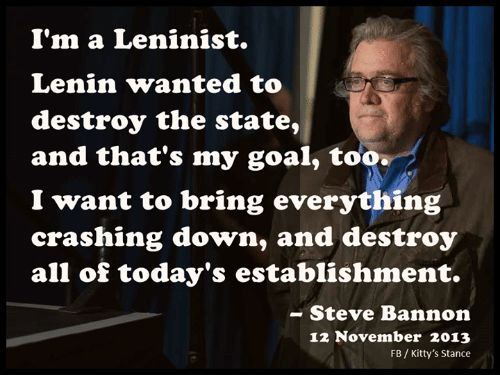

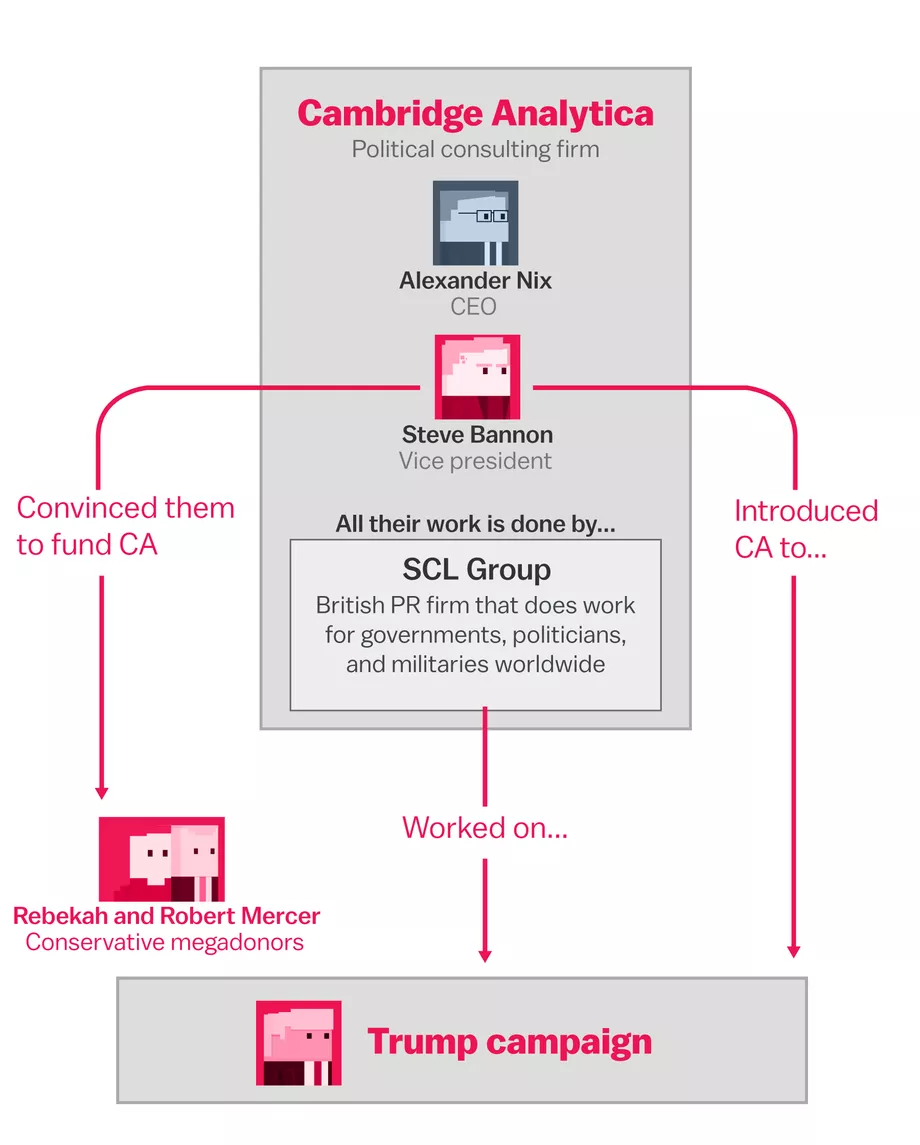
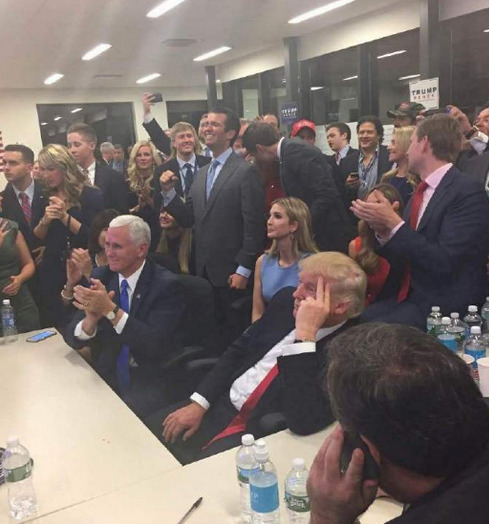

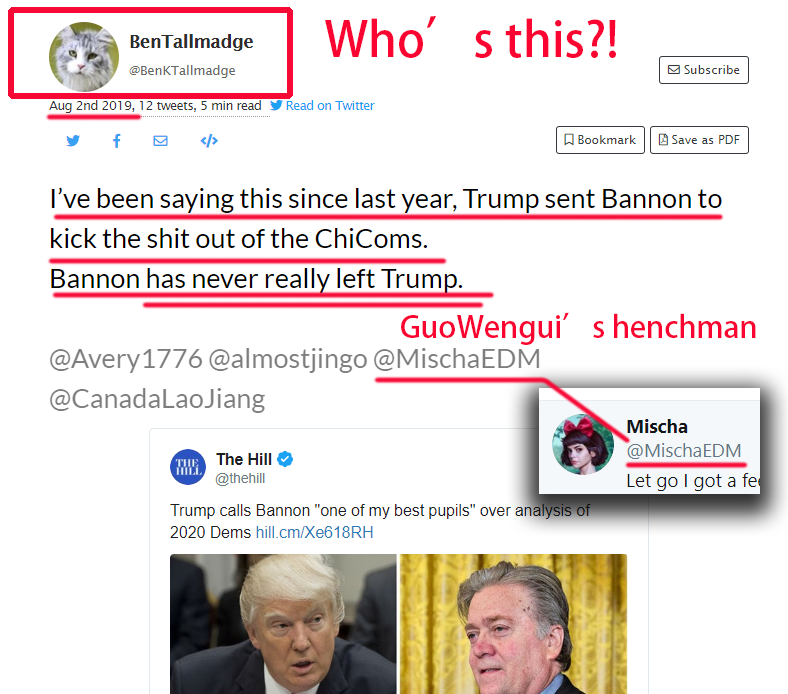


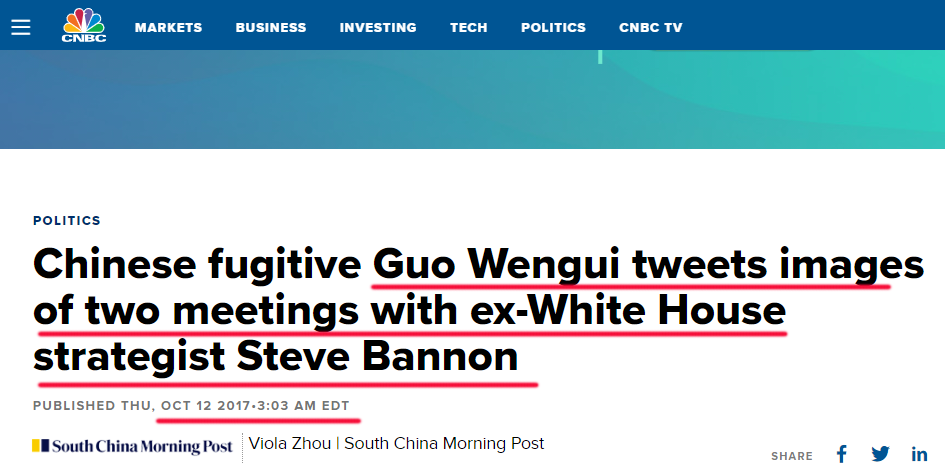
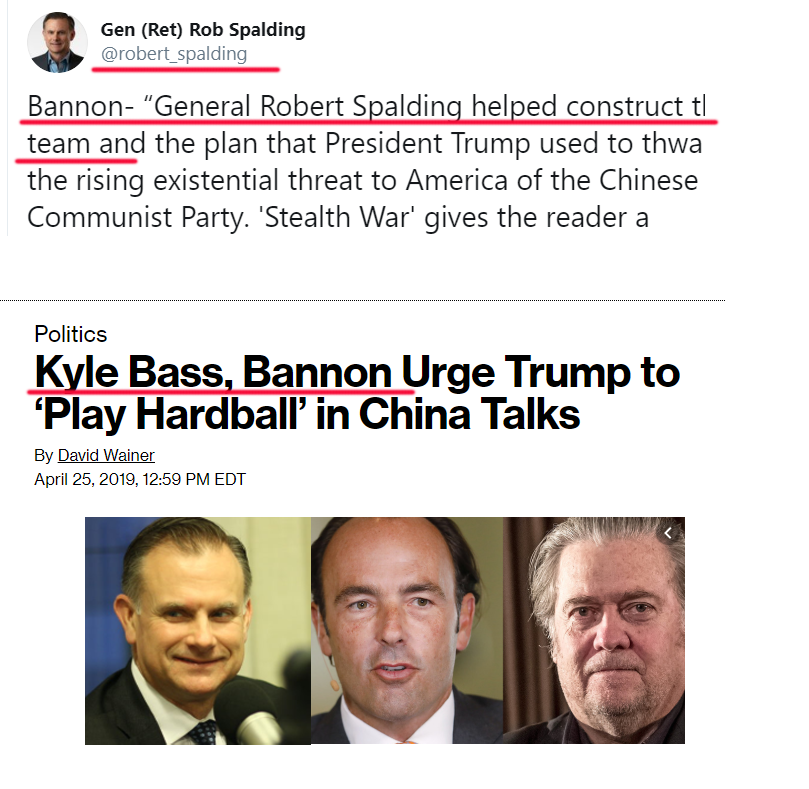
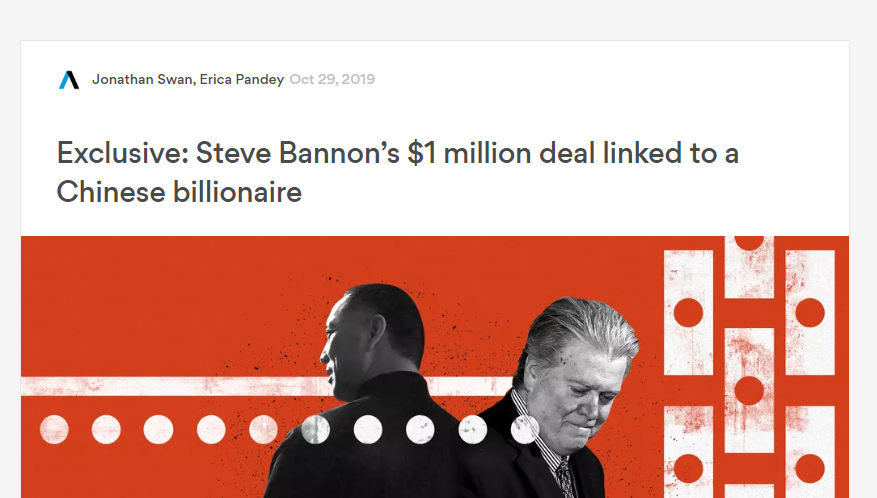
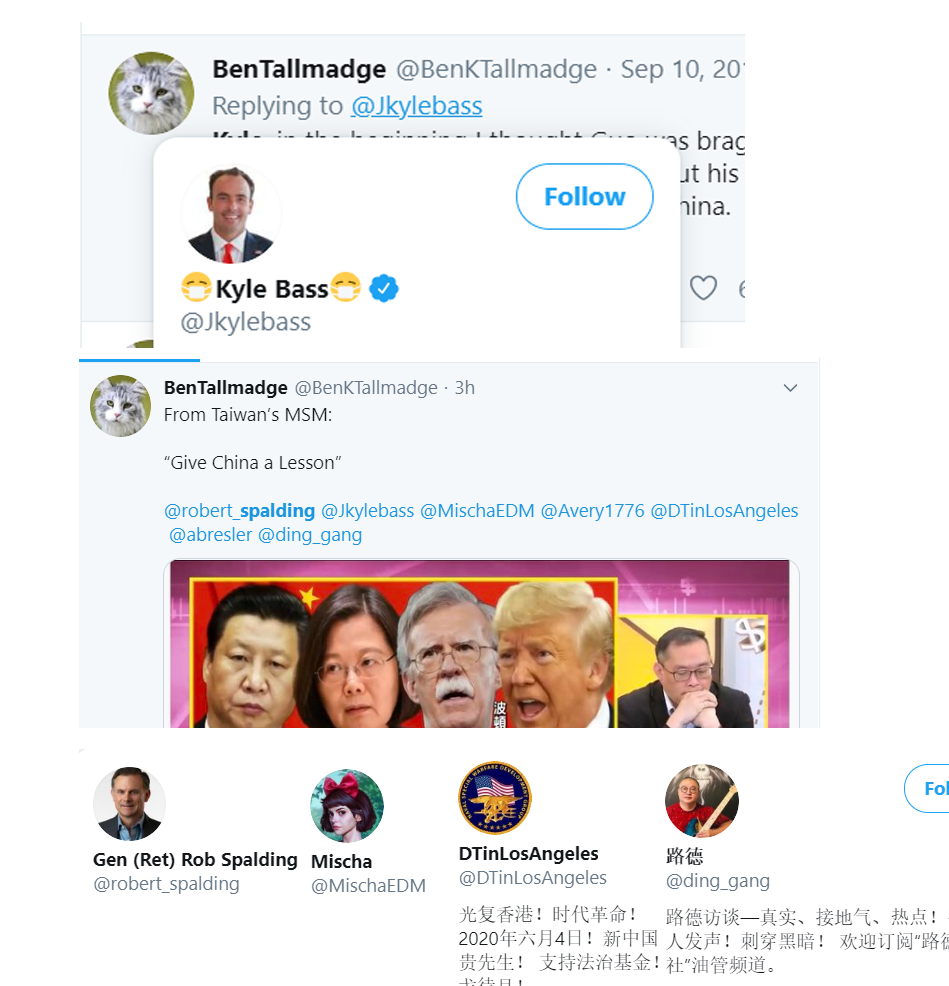
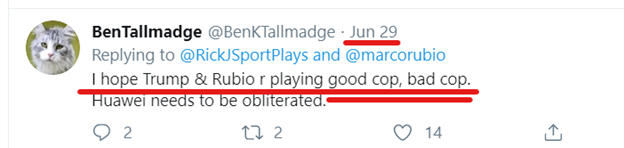
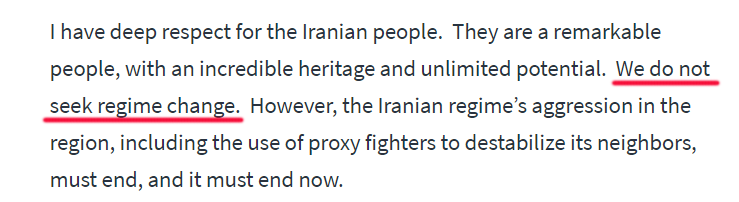
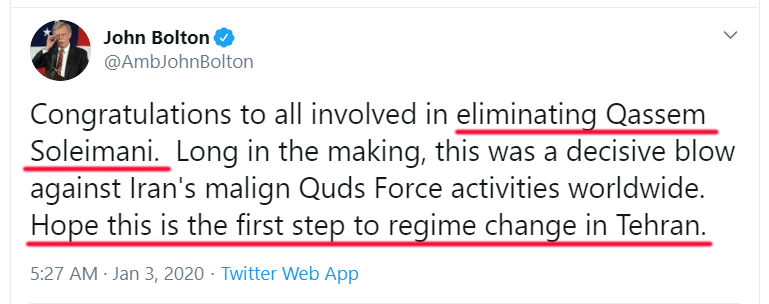
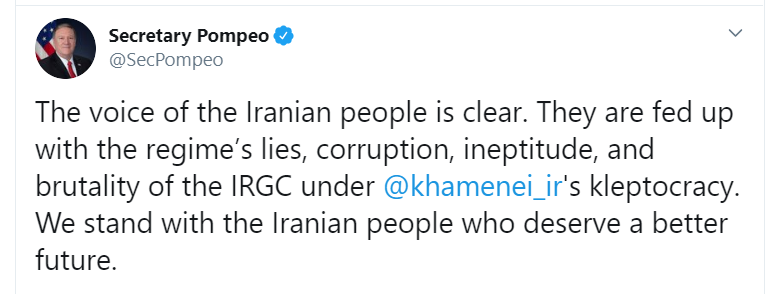
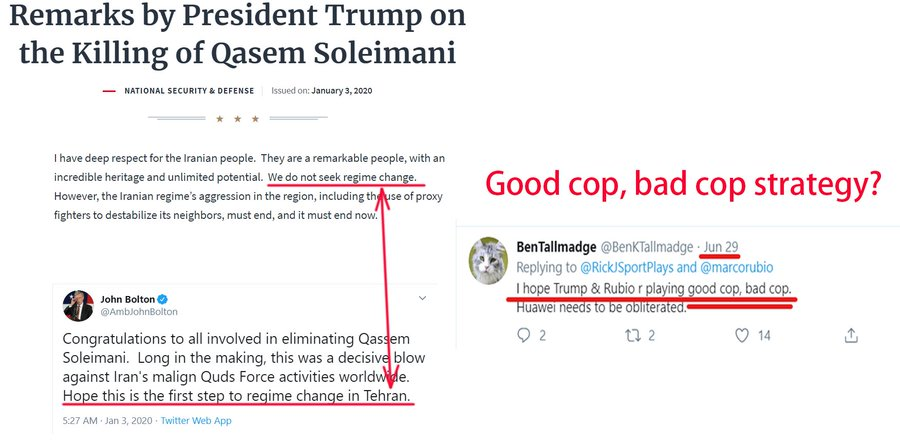
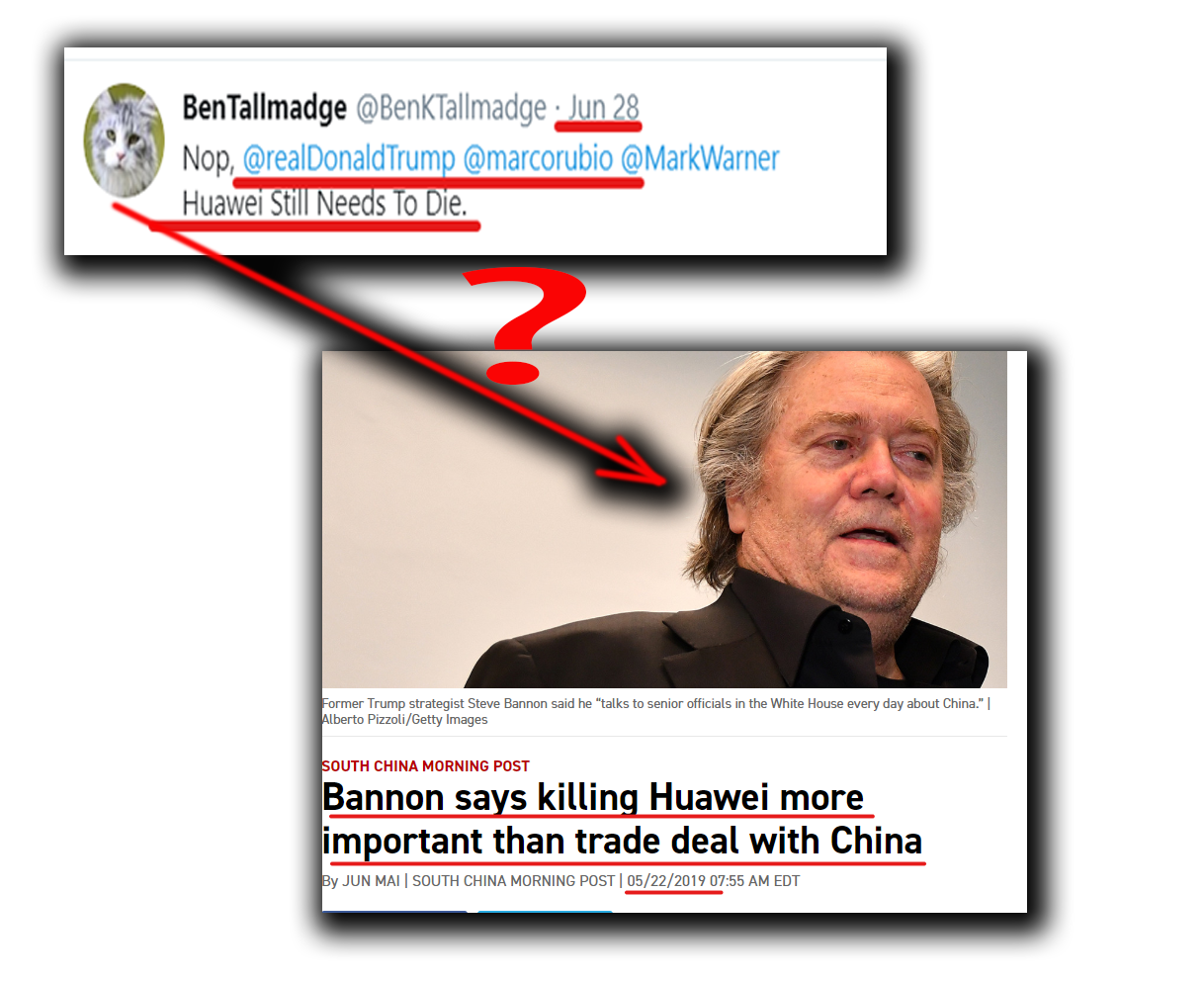
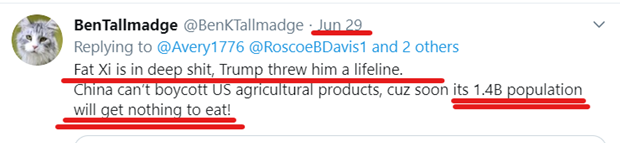
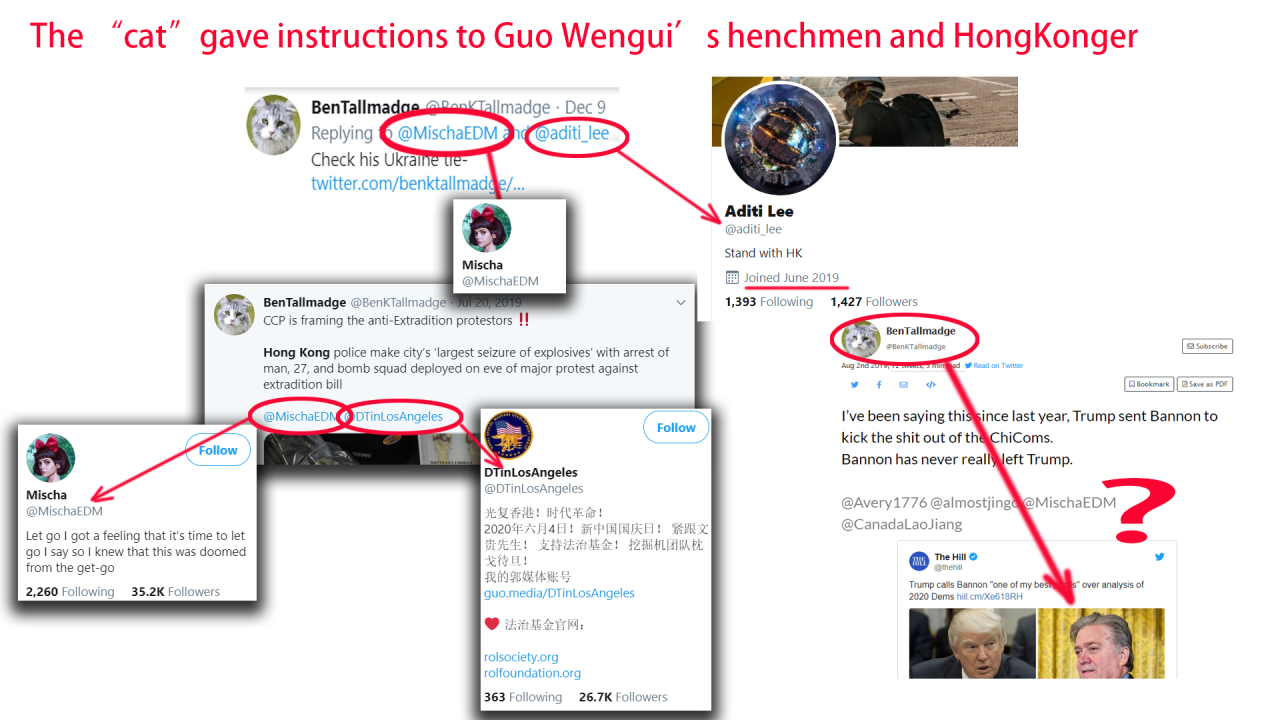
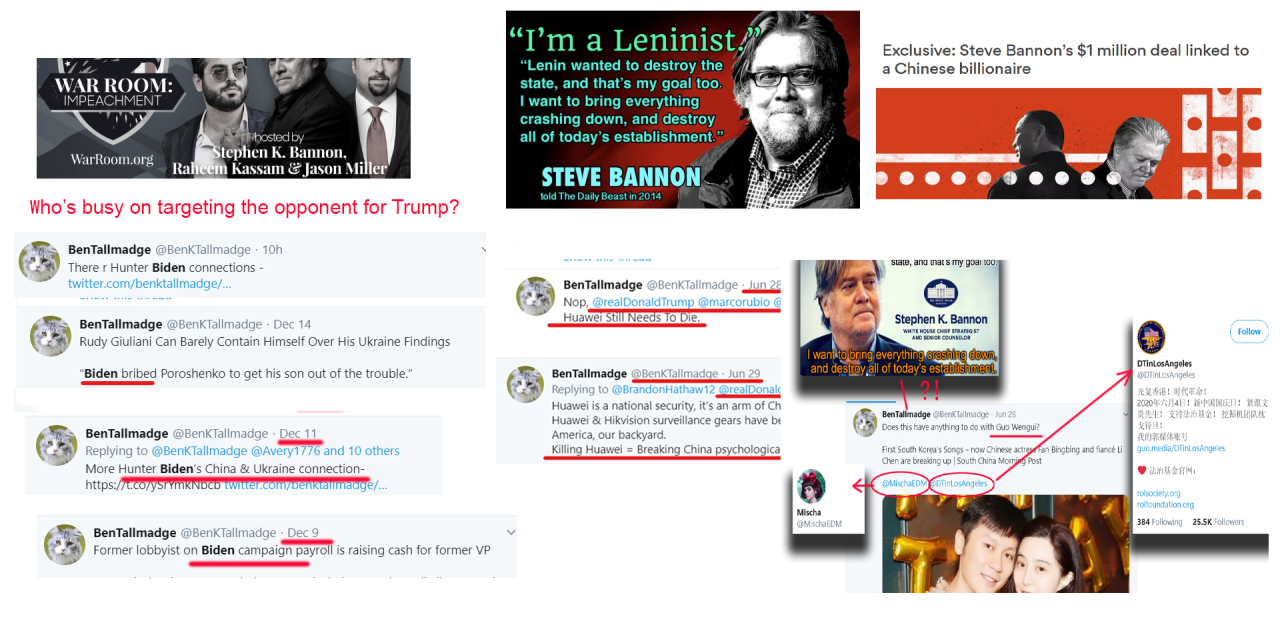
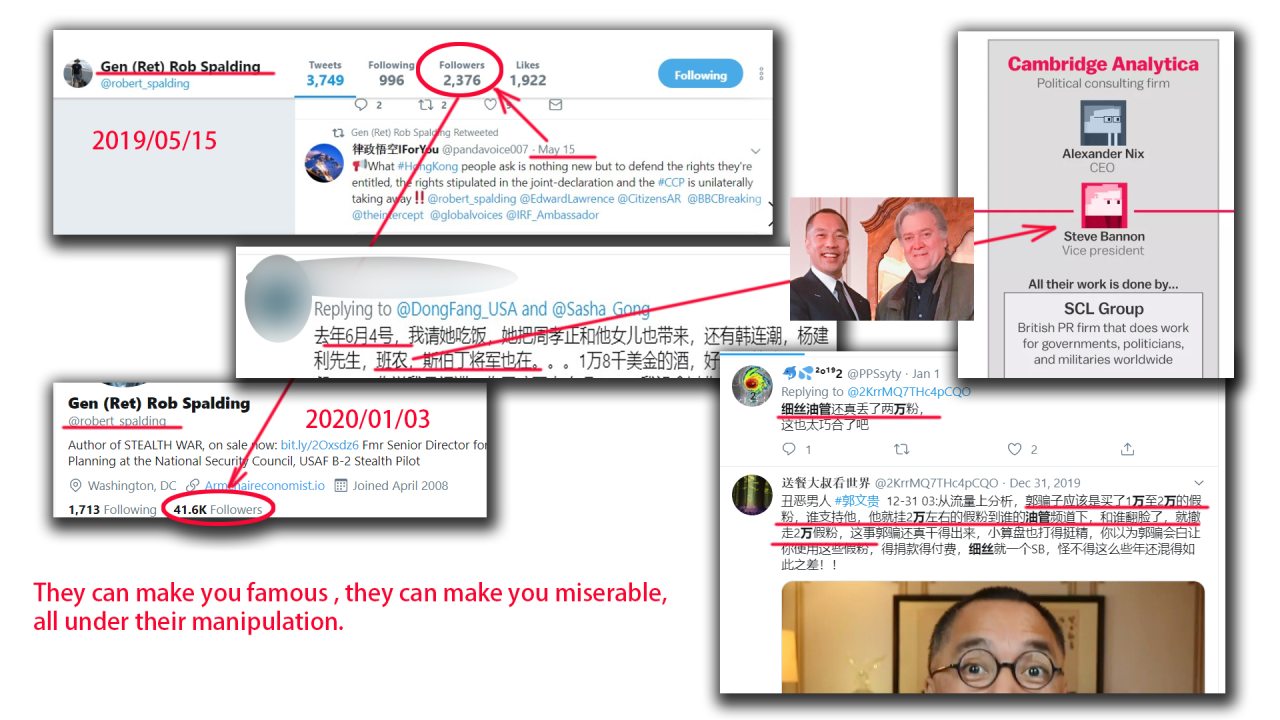
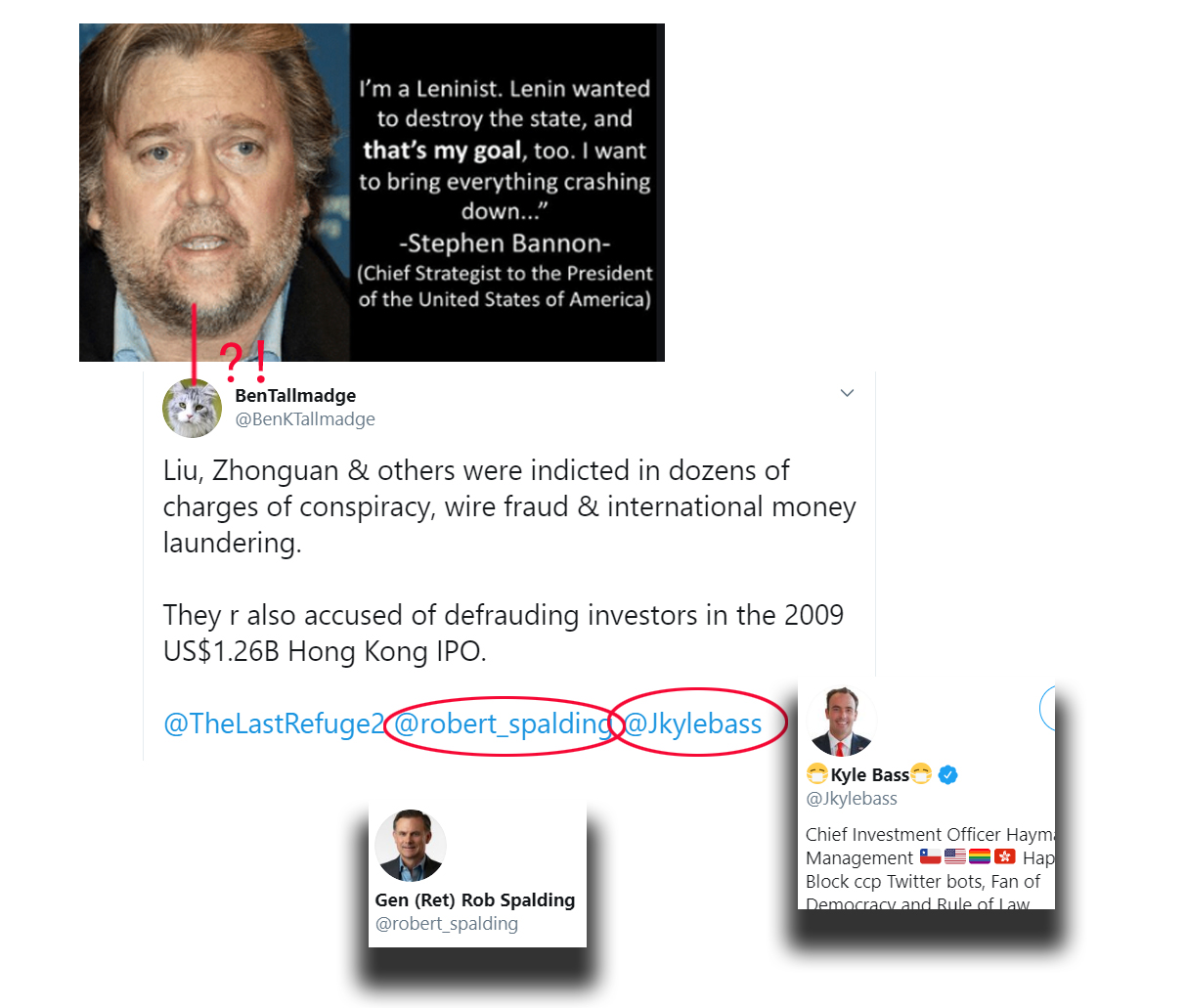
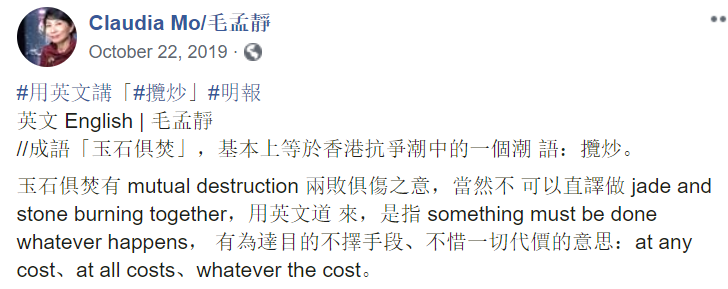
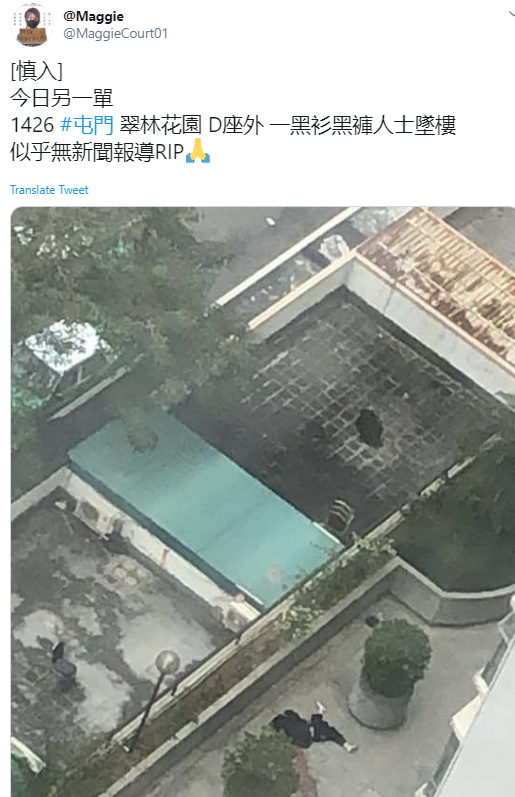
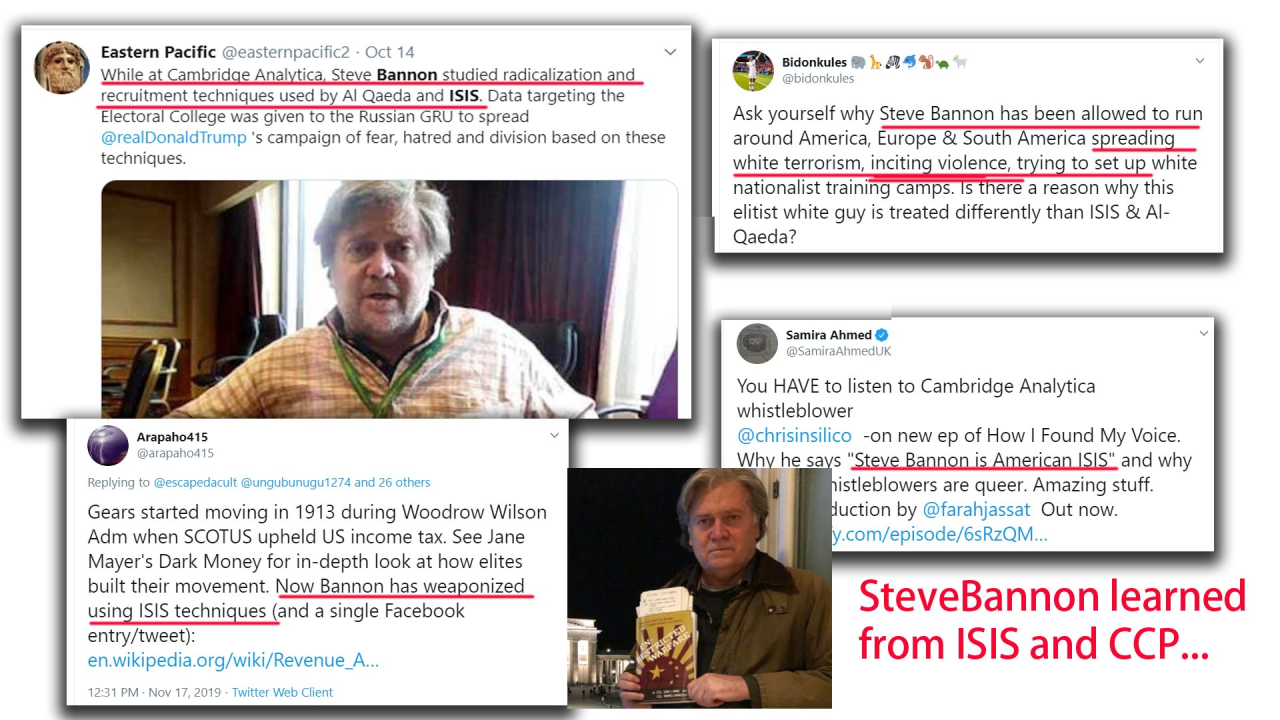
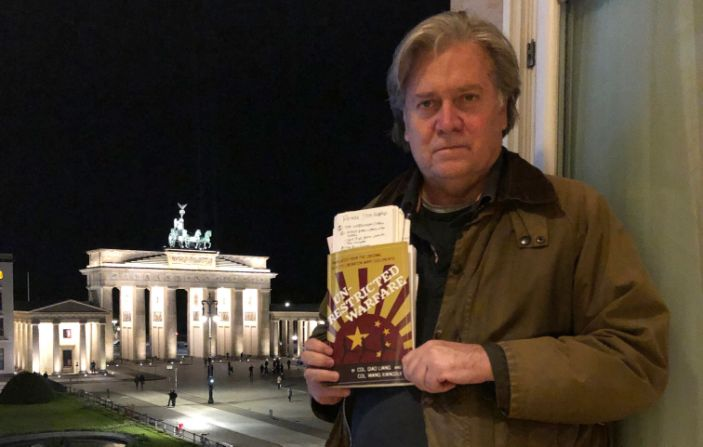

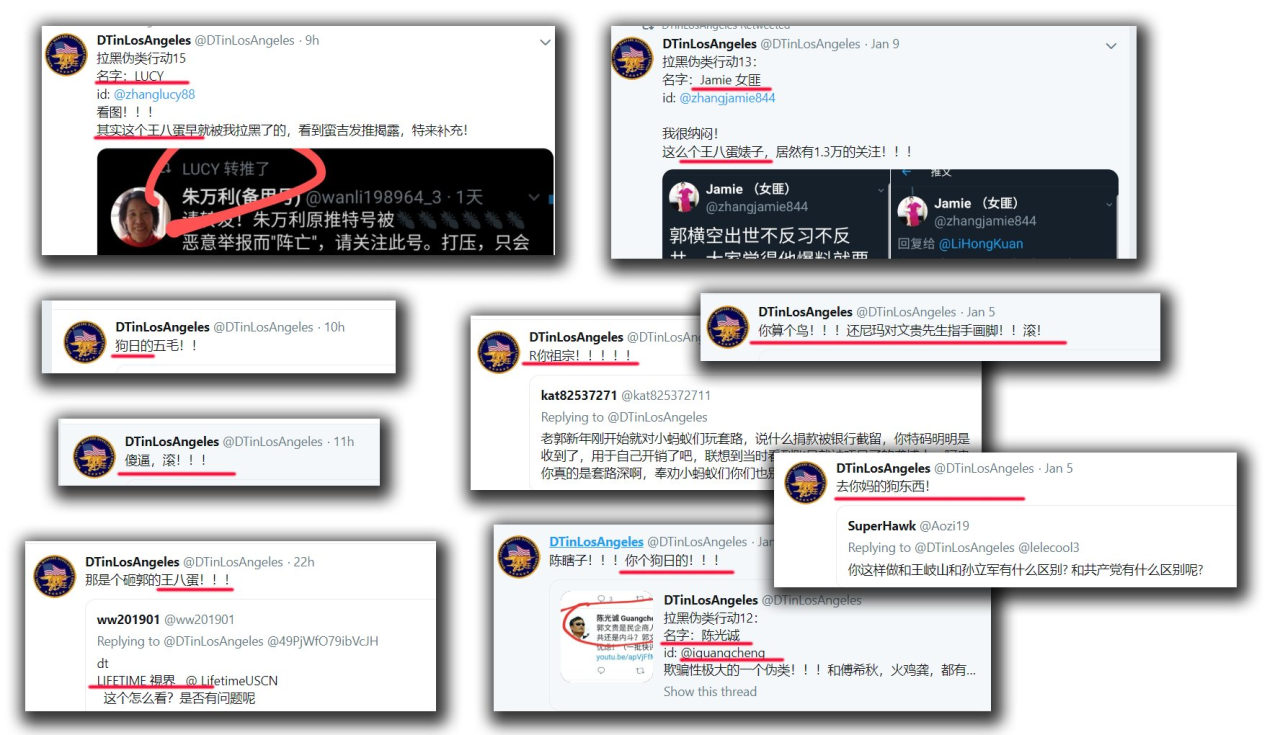
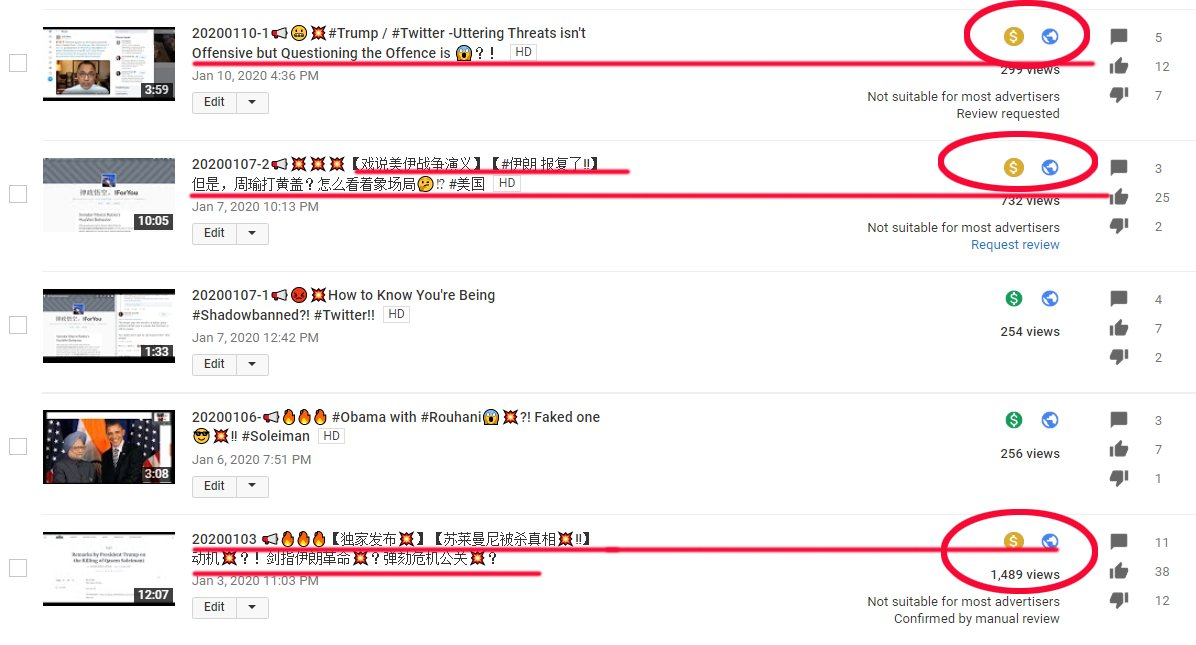

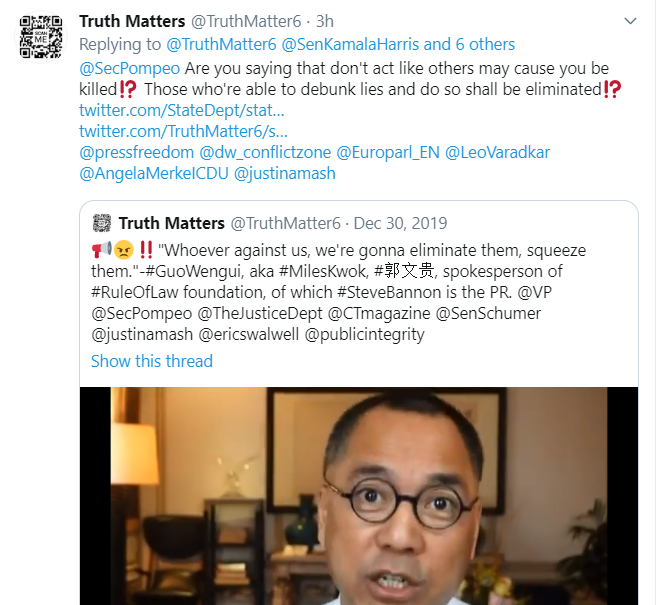


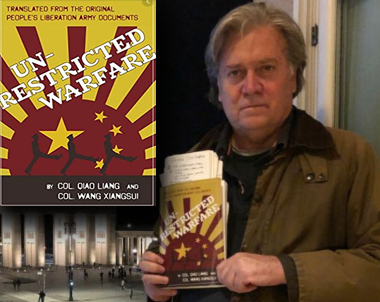
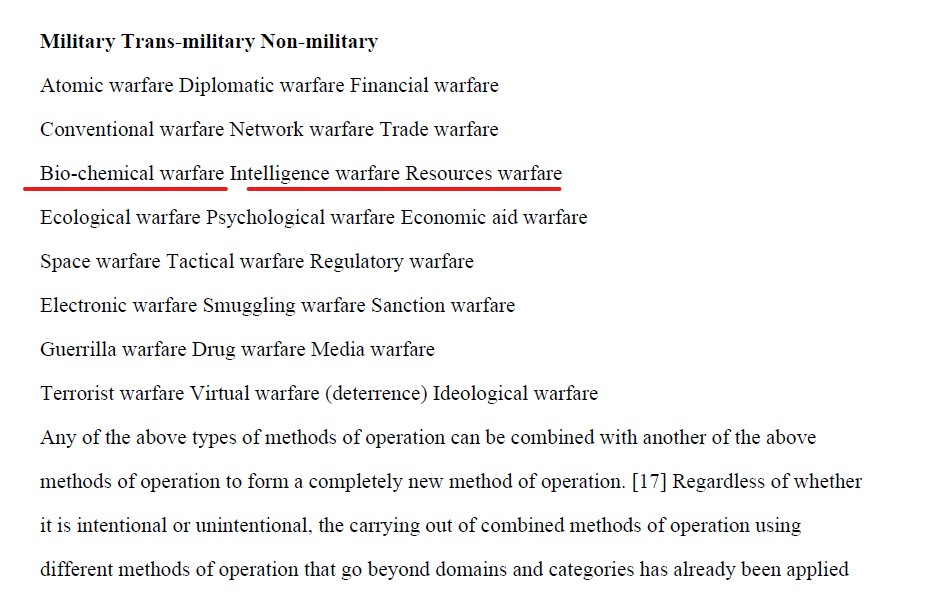
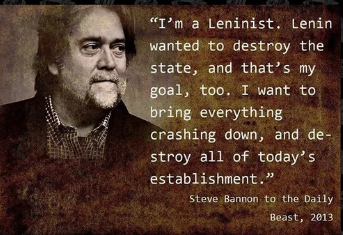








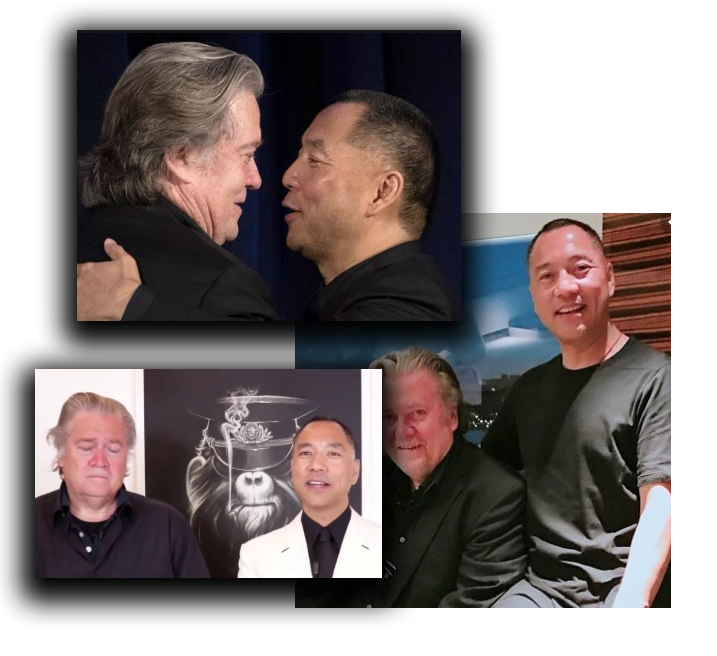
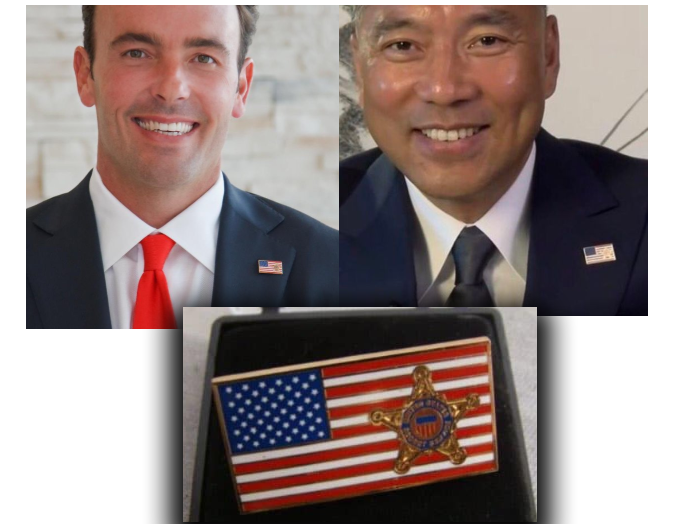
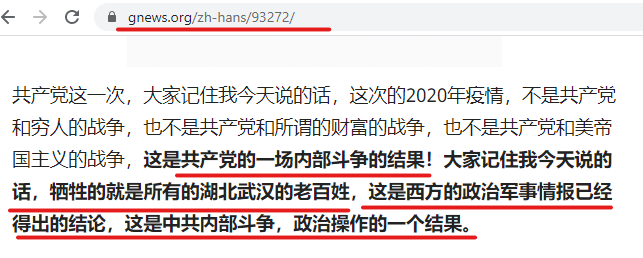
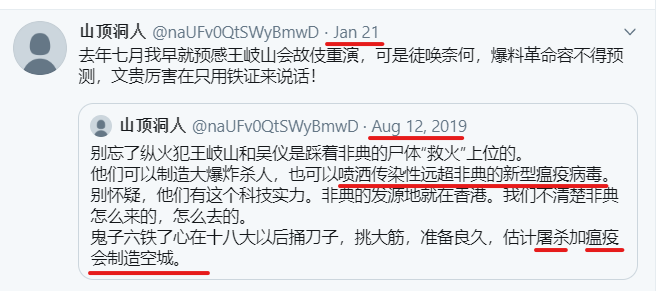
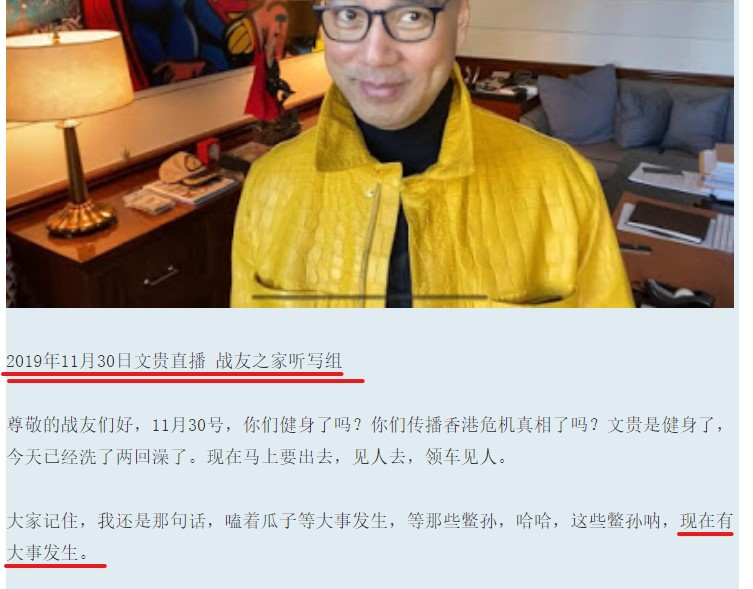
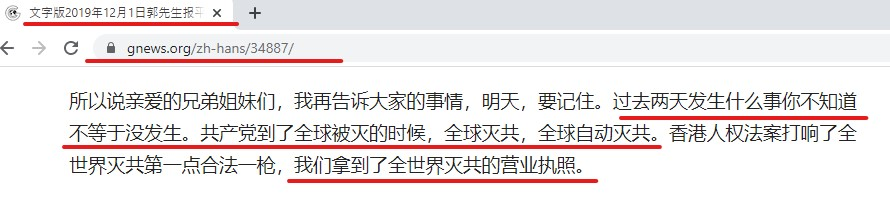
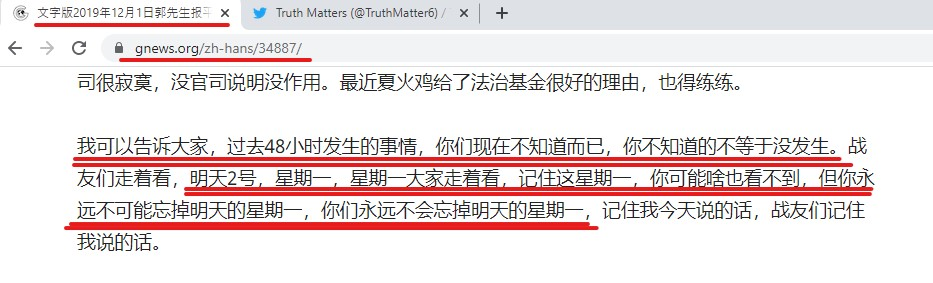
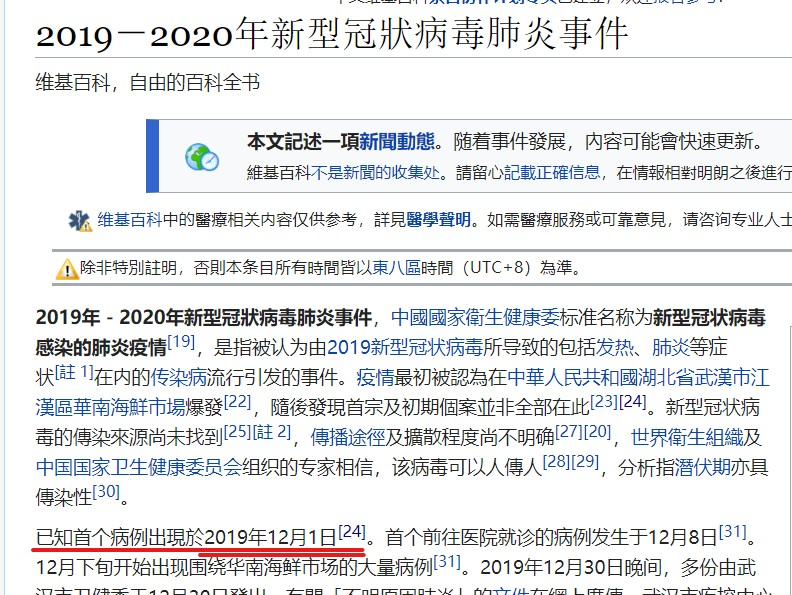
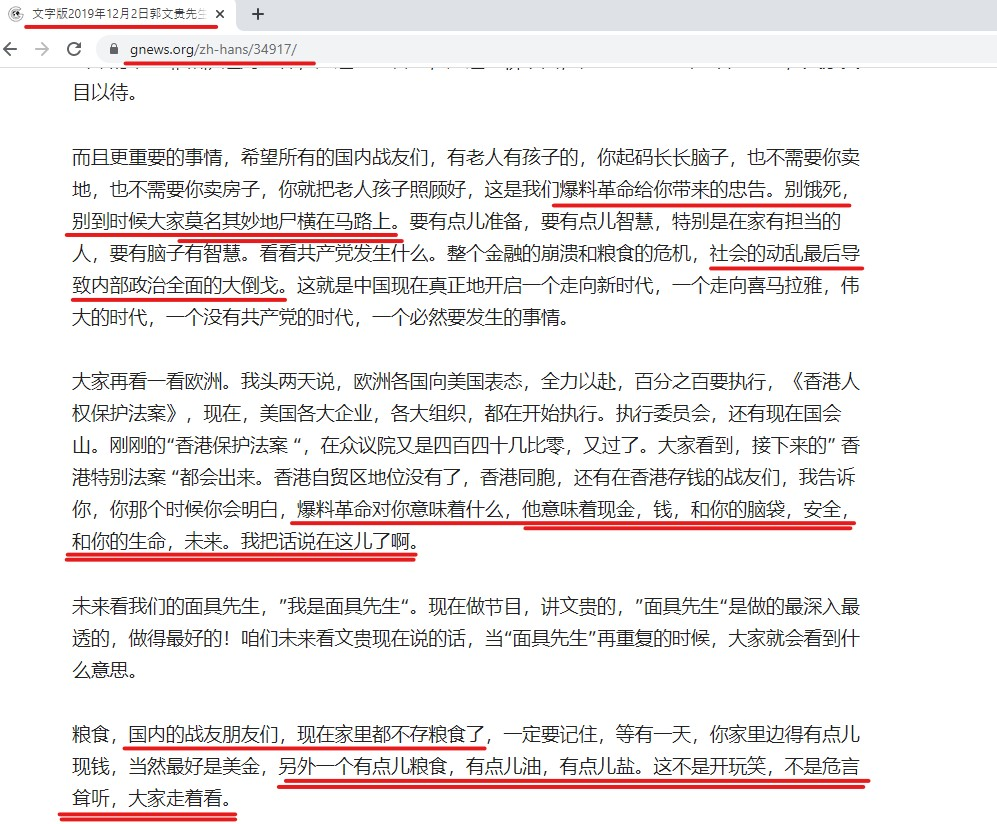
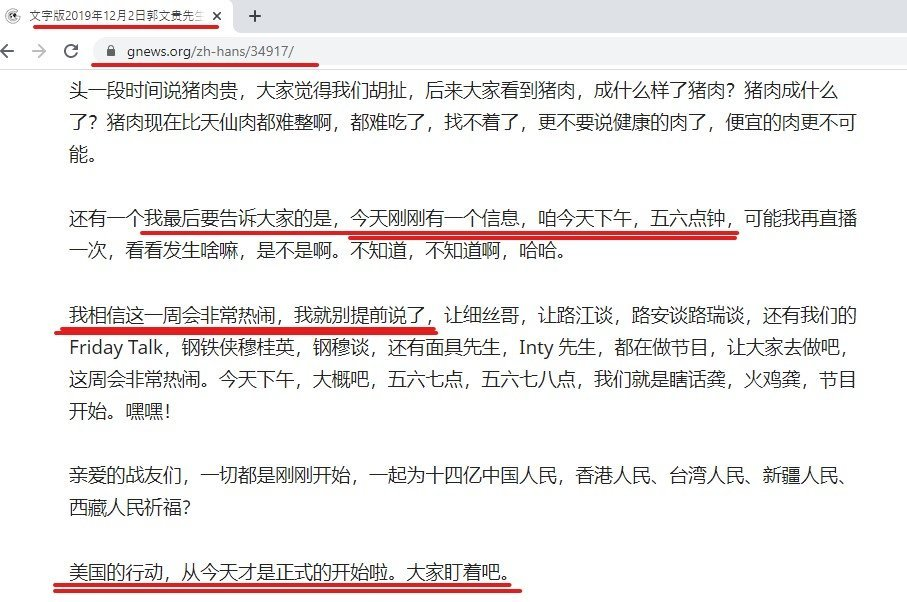
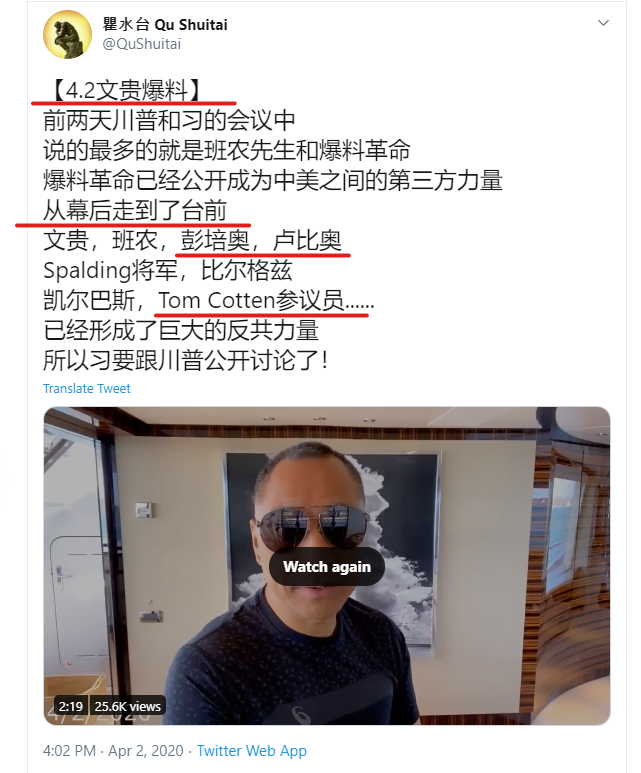
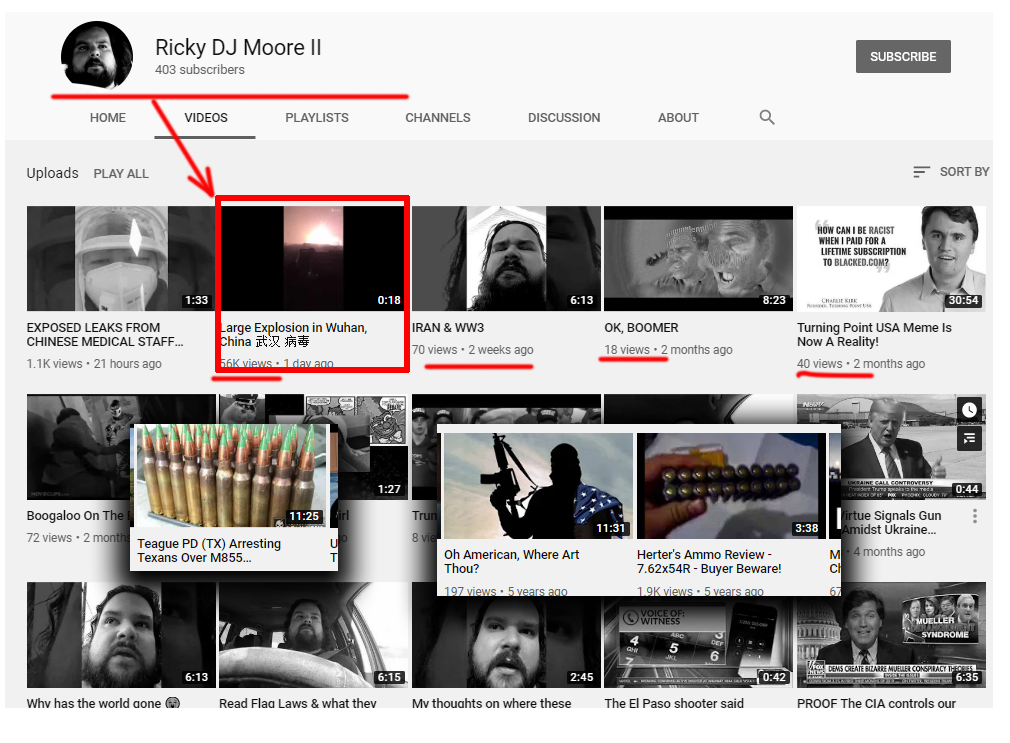

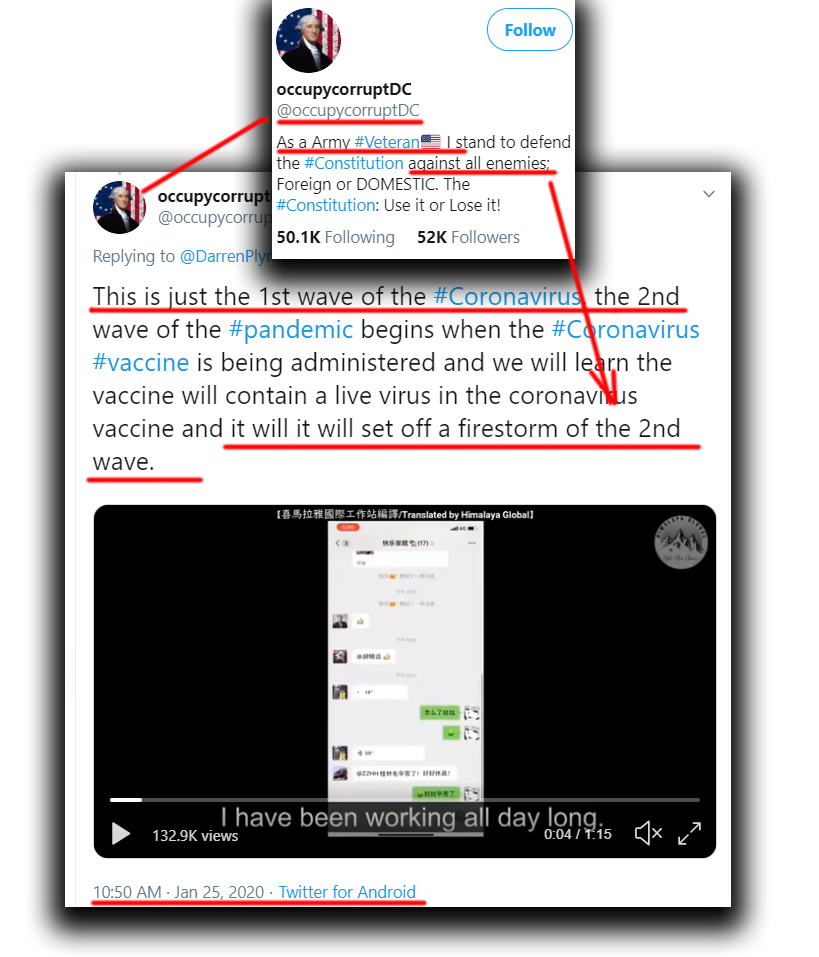
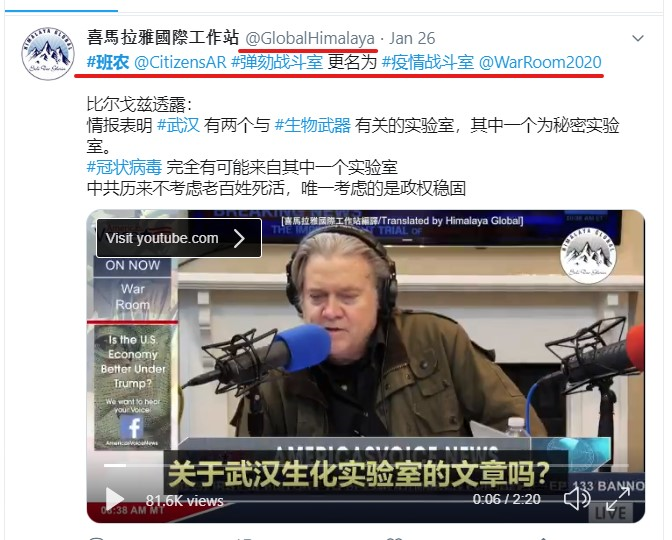
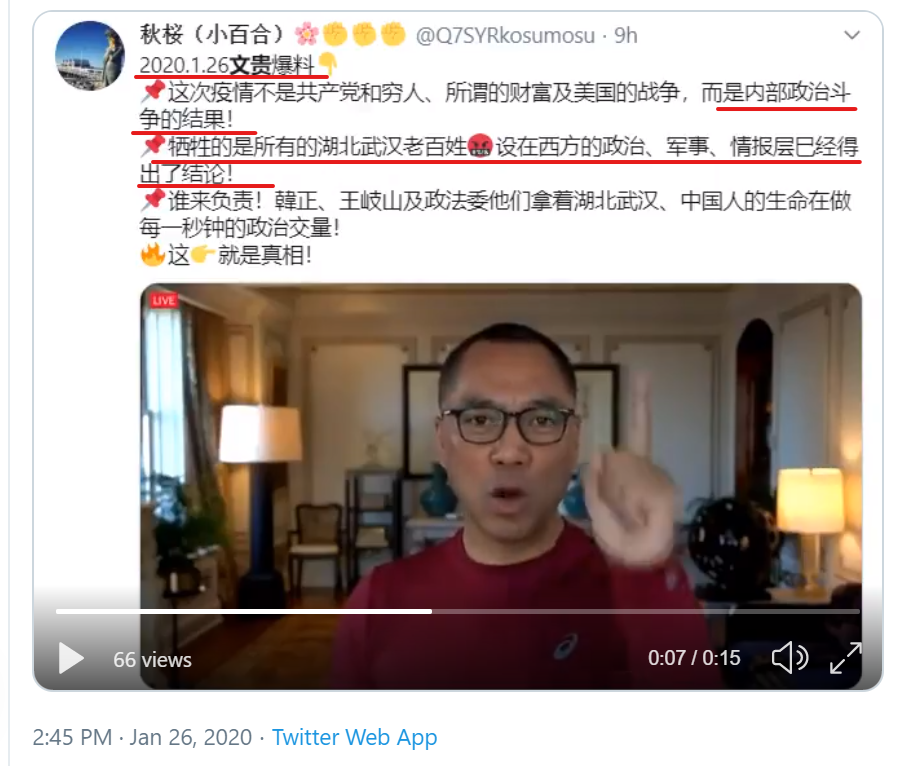
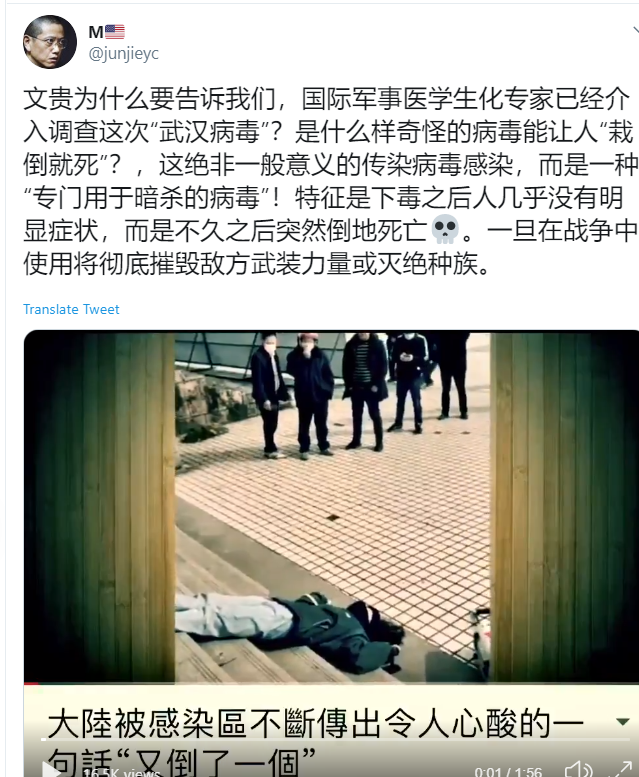
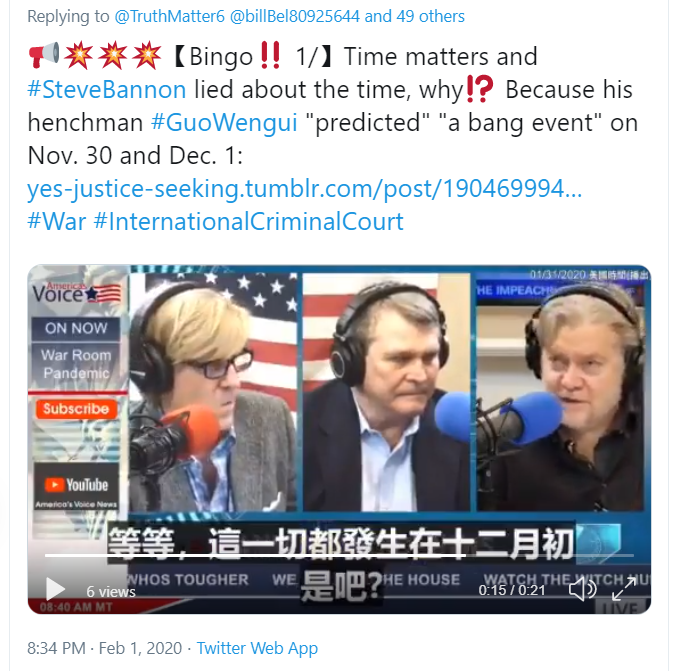
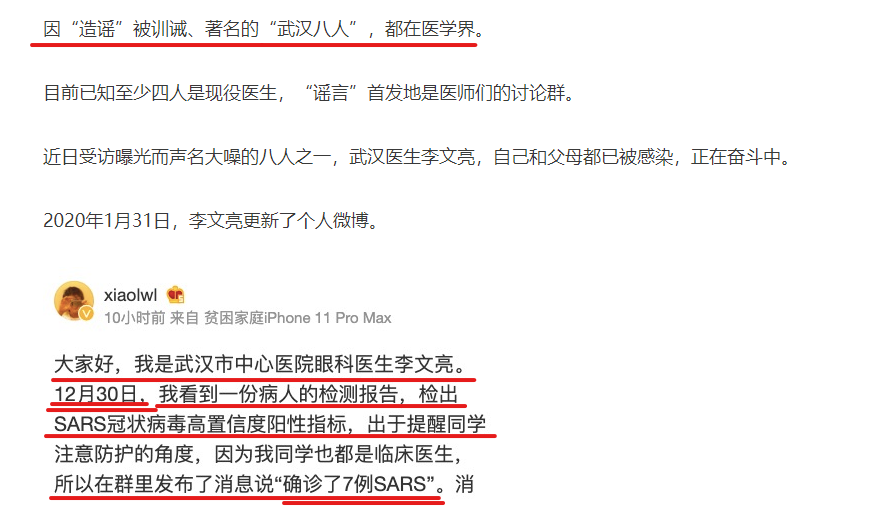
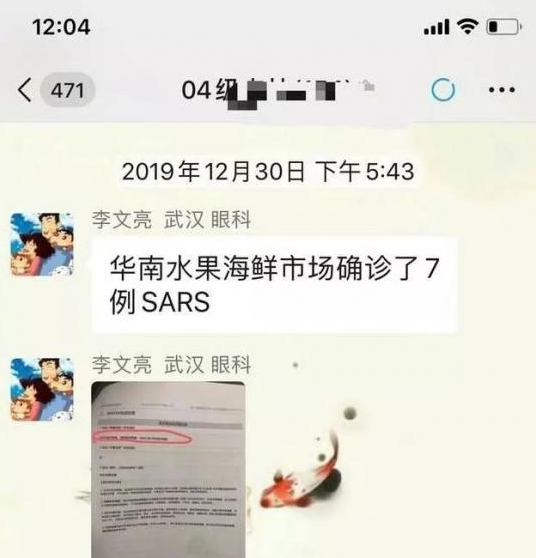

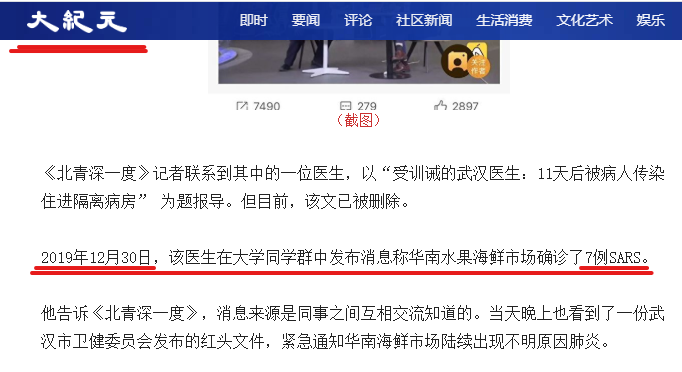


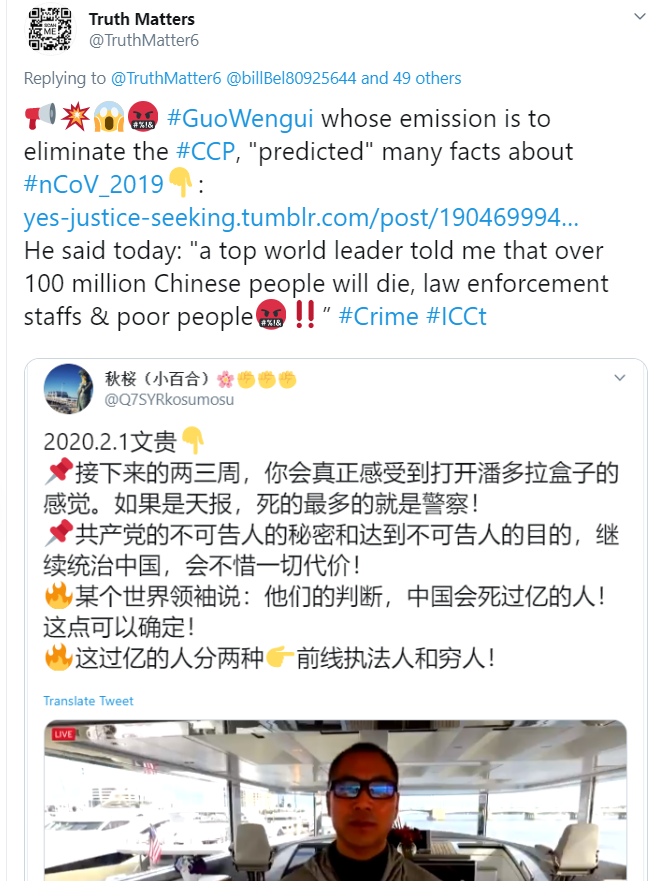
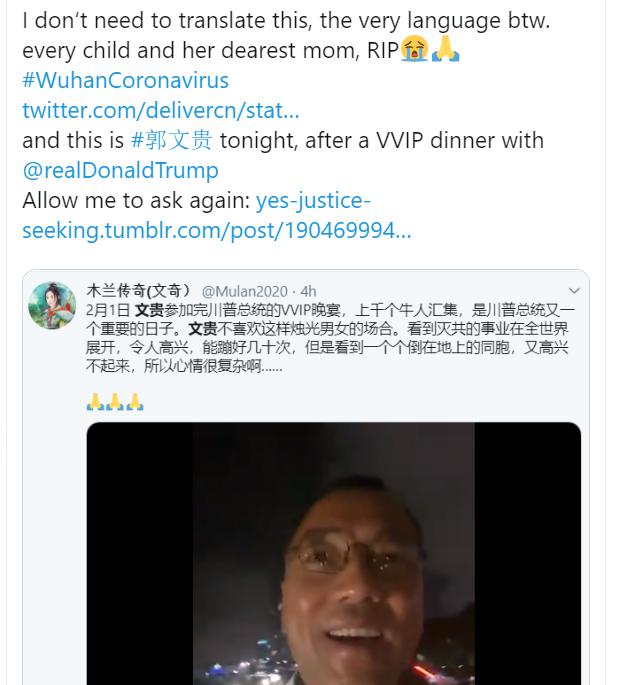



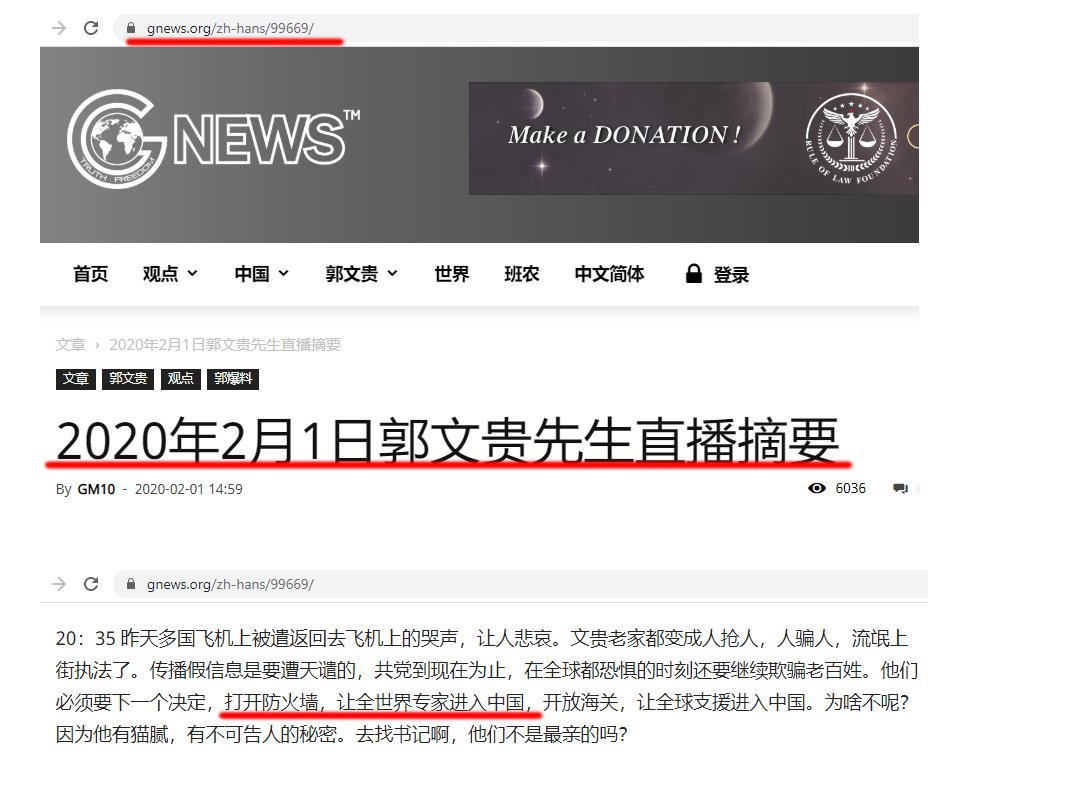
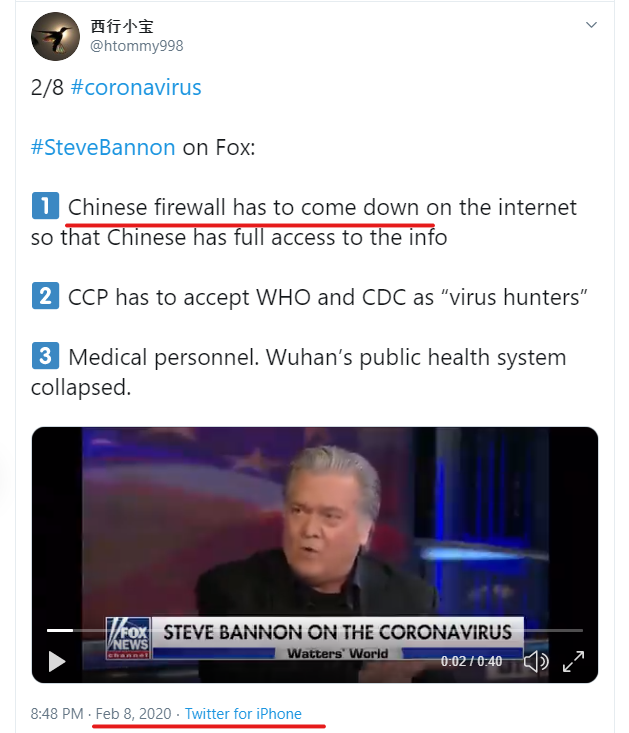
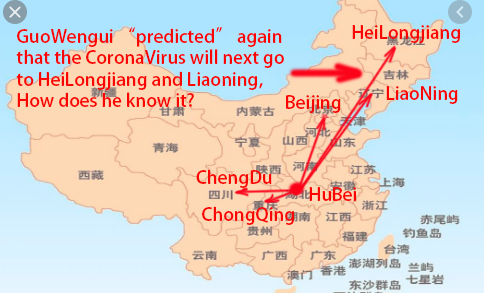
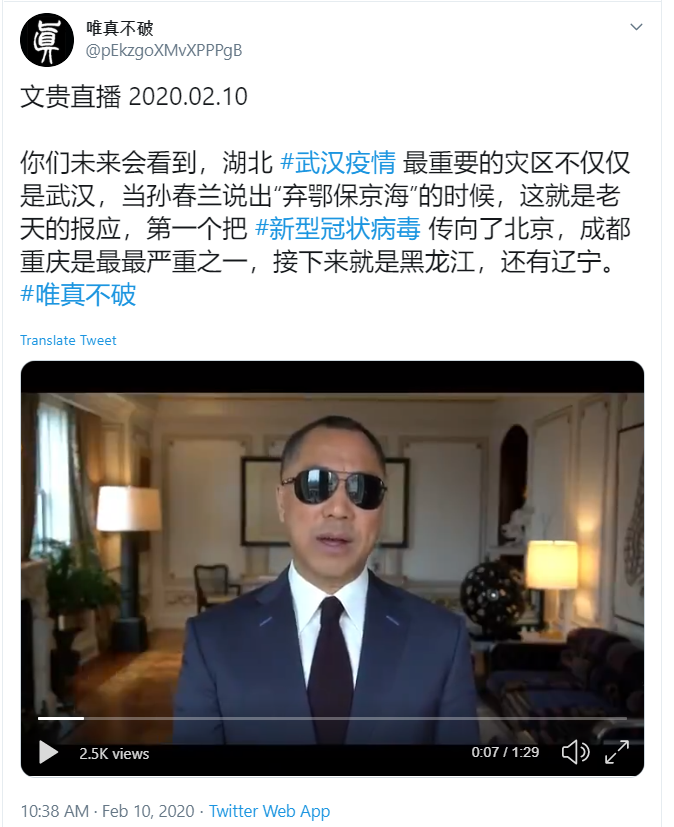

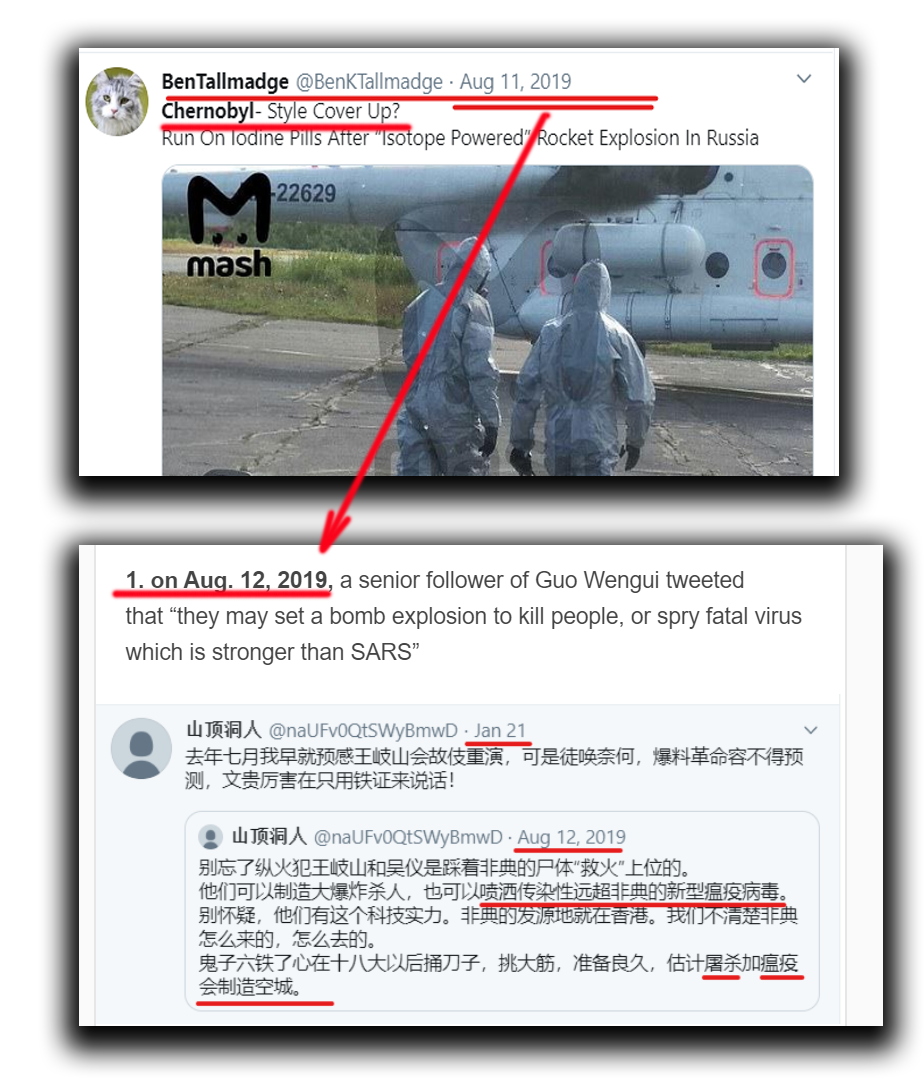
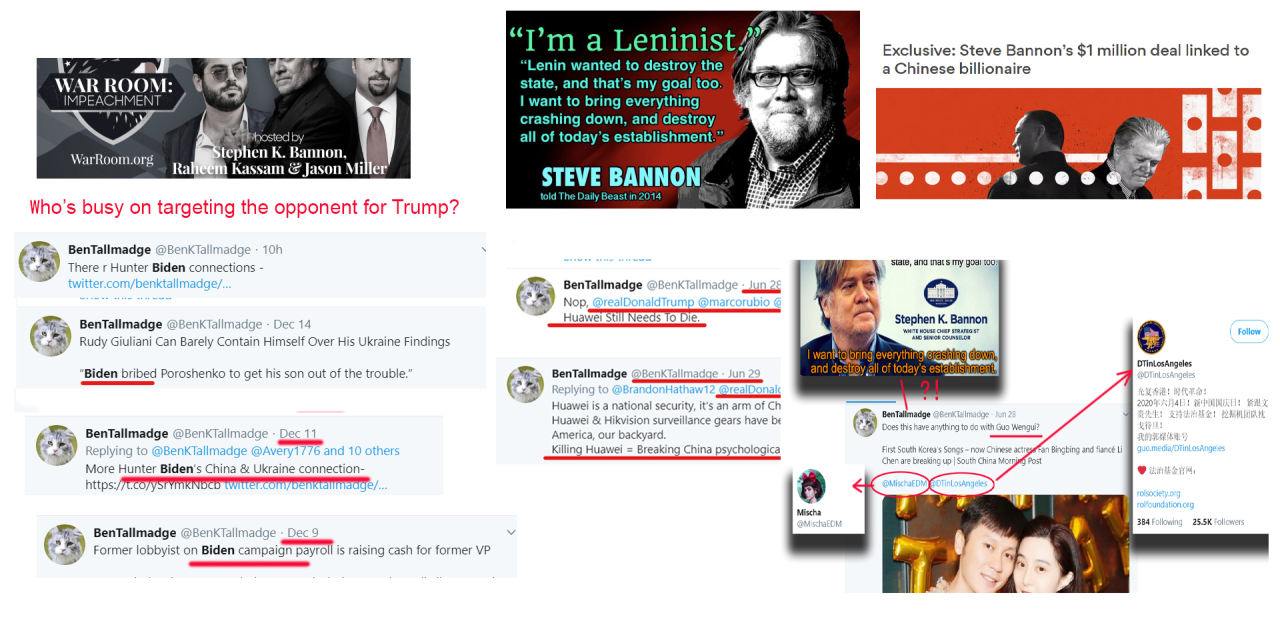
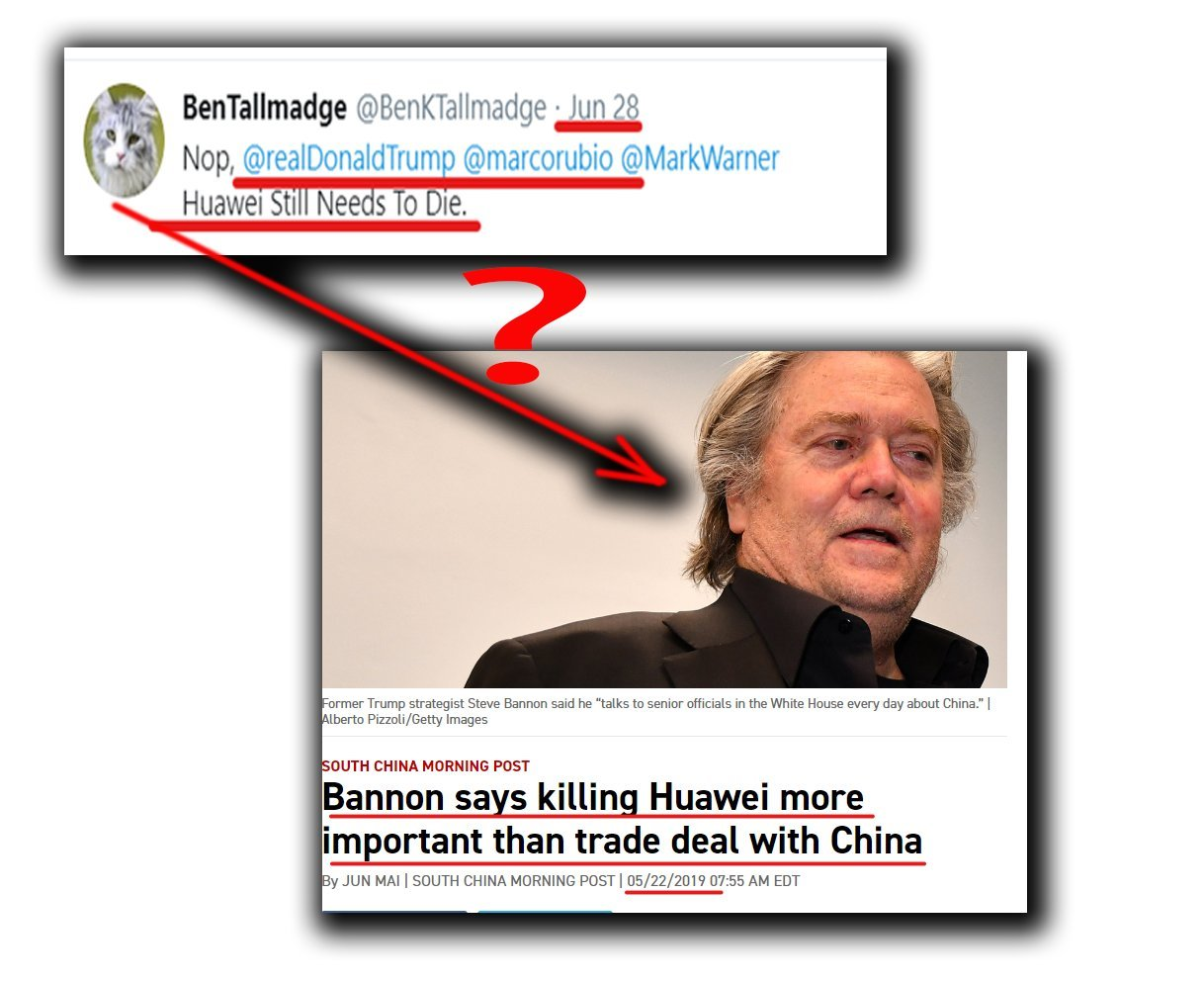
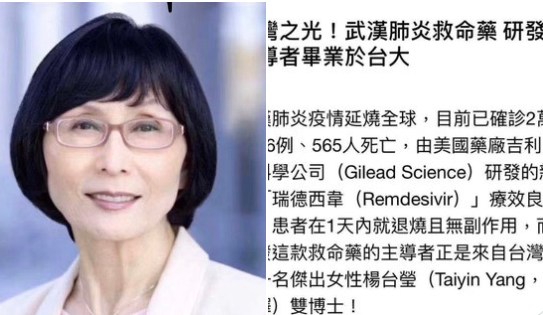
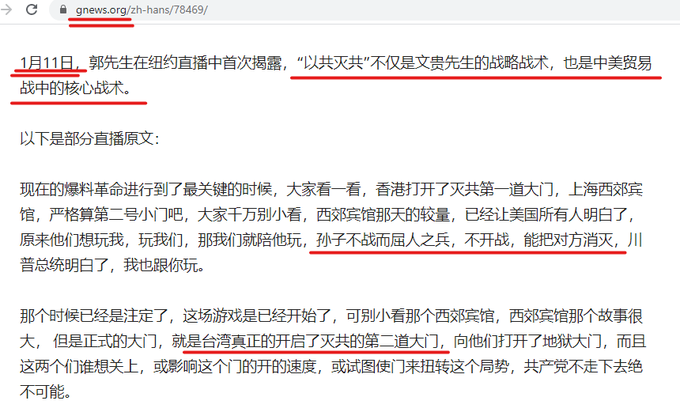
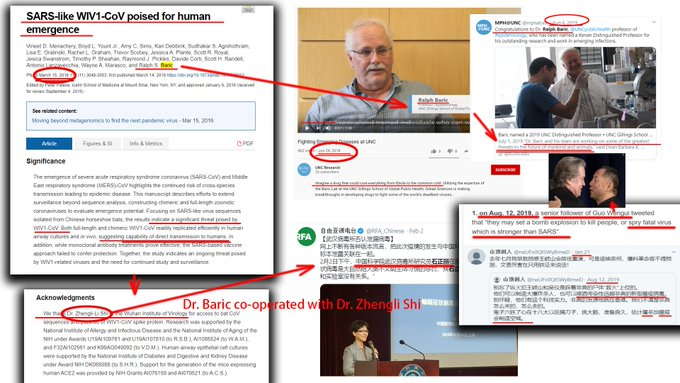
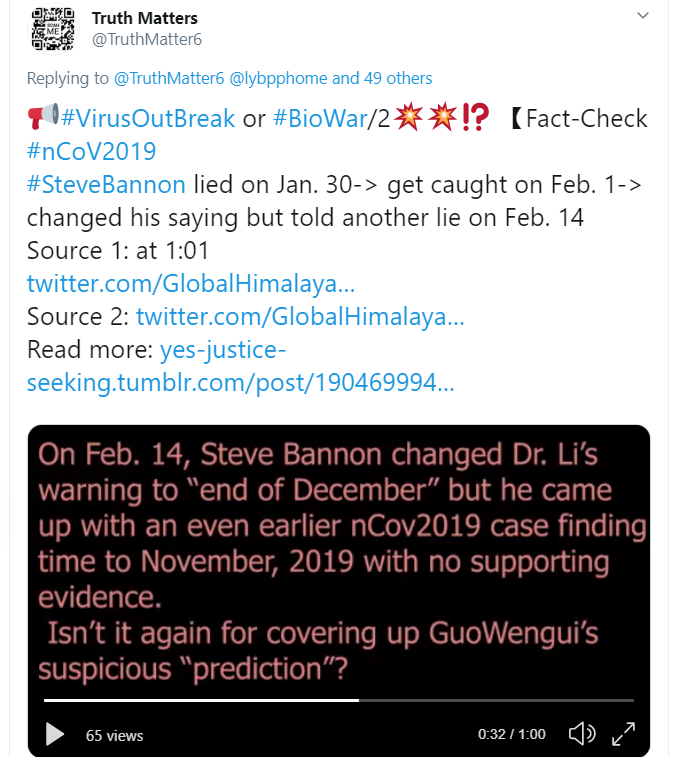
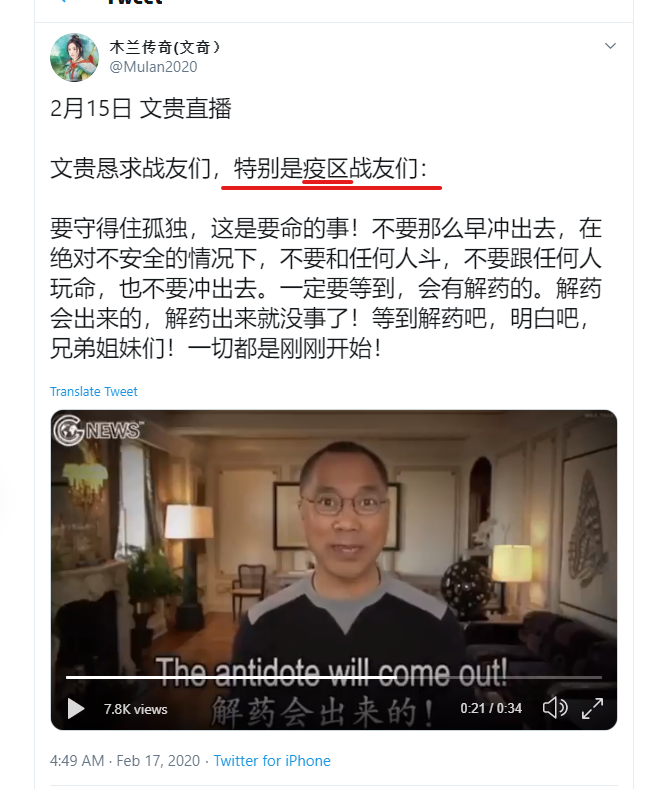
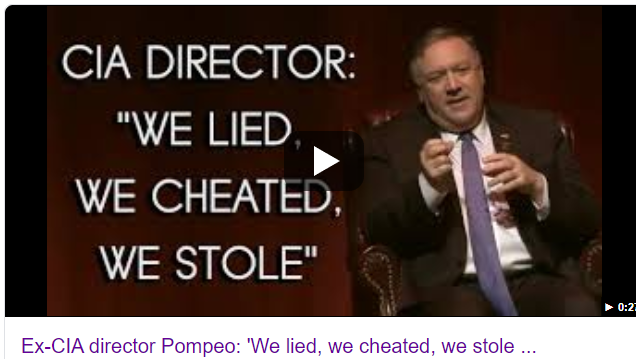
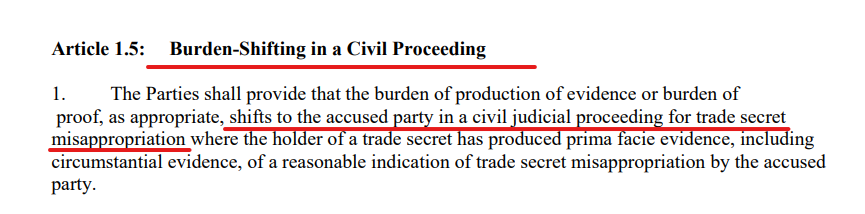
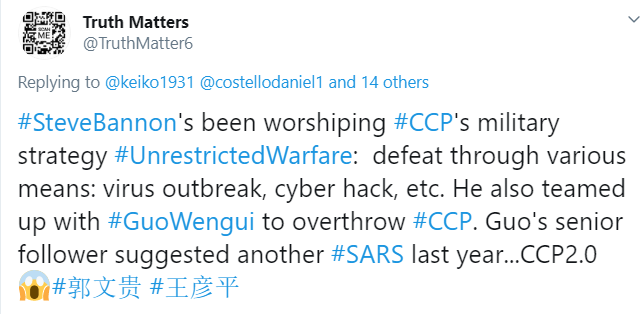
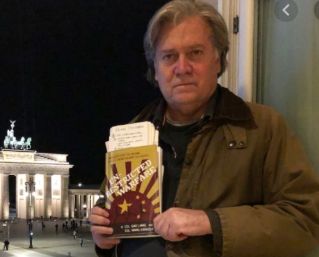
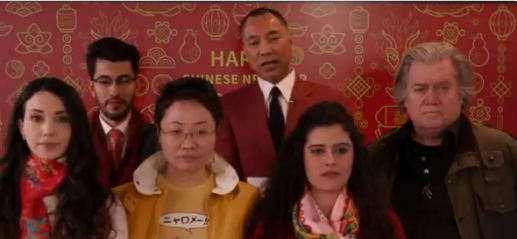
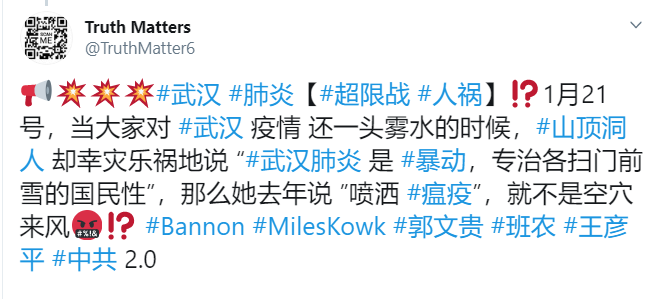
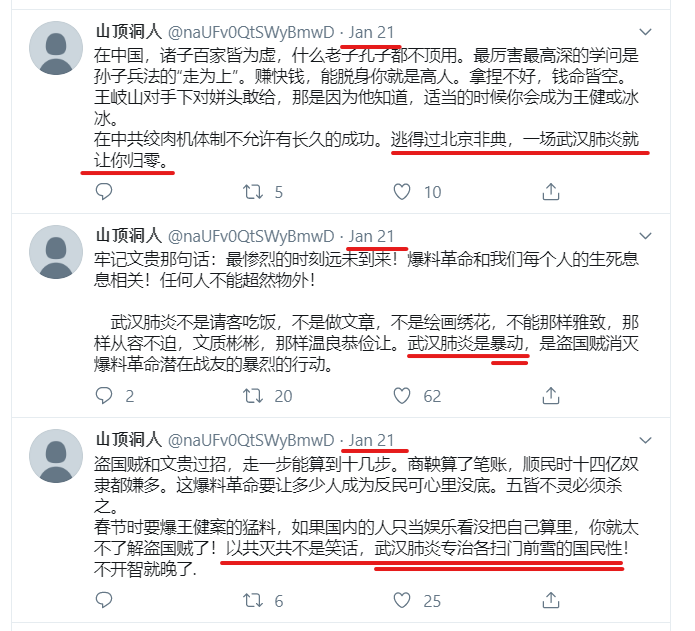
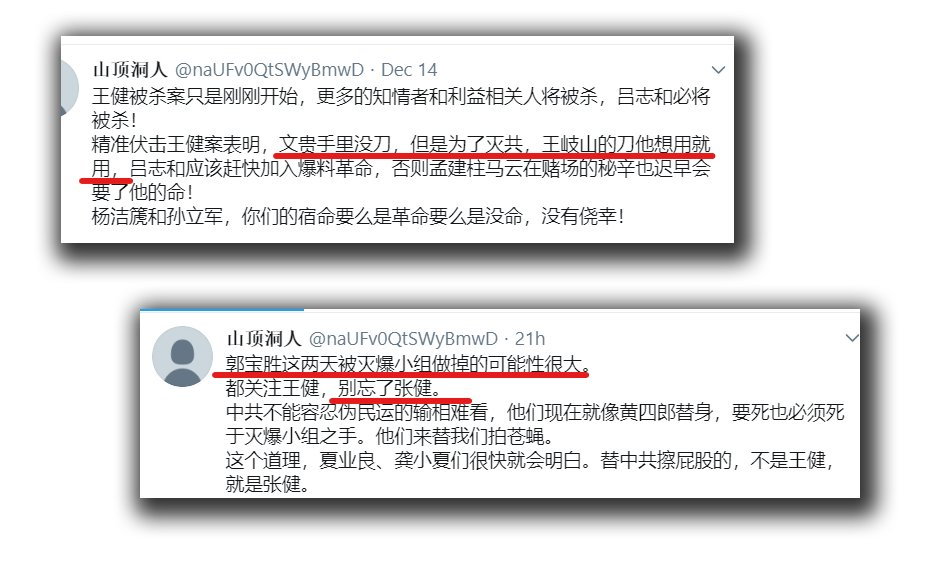
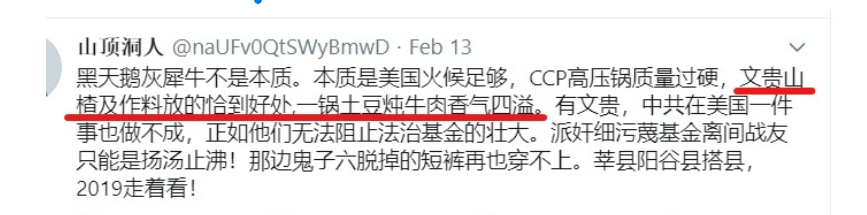
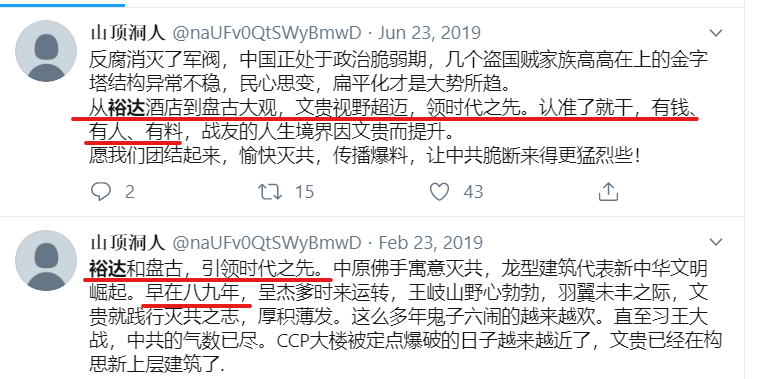



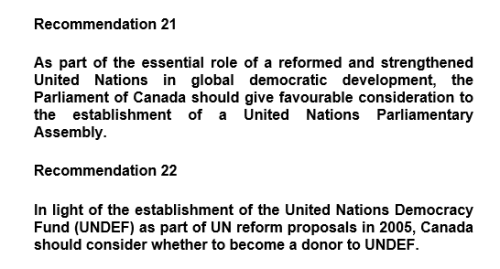

 Yellow Vests of Canada